1. Instant-Read Digital Thermometer
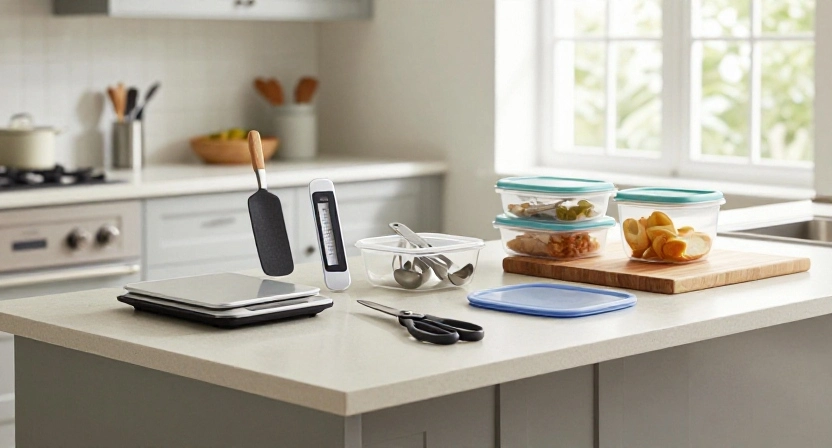
Cooking by time alone can be surprisingly unreliable. Two chicken breasts that look almost identical may cook at different speeds because of thickness, starting temperature, or the performance of the oven or grill. An instant-read digital thermometer replaces guesswork with a direct temperature reading. Insert the probe into the thickest appropriate part of the food, avoiding bone when relevant, and you can make a better decision about whether cooking should continue. It is particularly useful for meat, poultry, fish, bread, reheated foods, and recipes where temperature matters more than appearance. When shopping, consider reading speed, temperature range, display visibility, ease of cleaning, and whether the probe folds away for storage. Clean the probe between uses, and follow reliable food-safety guidance when checking internal temperatures.2. Digital Kitchen Scale
Measuring cups are convenient, but they are not always the most consistent way to measure ingredients. A cup of flour, for example, can vary depending on how densely it is packed. A digital kitchen scale measures by weight instead. That can make baking more repeatable and also reduce the number of measuring cups and spoons that need washing. One particularly useful feature is the tare function. Place a bowl on the scale, reset the displayed weight to zero, and ingredients can be added directly to the bowl. Look for a readable display, practical capacity, easy unit switching, and a surface large enough for the bowls you commonly use. A scale is less useful for recipes written entirely in volume measurements unless you are comfortable converting or the recipe also provides weights.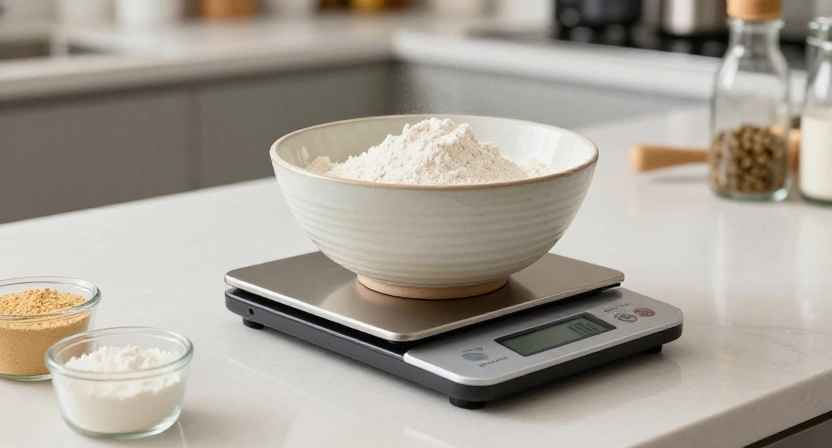
3. Adjustable Measuring Spoon
A drawer filled with loose measuring spoons works perfectly well, but there is another option for cooks who value compact storage. An adjustable measuring spoon uses a sliding mechanism to change the capacity of a single tool. Instead of reaching for separate spoons for several measurements, you reposition the slider. The idea is especially appealing in apartments, RV kitchens, dorm-style cooking spaces, or any kitchen where drawers are already crowded. There is a tradeoff. Traditional fixed measuring spoons are simple and dependable, while adjustable models have moving parts that can trap ingredients or become less convenient with thick, sticky foods. Check whether measurement markings are easy to read and whether the slider locks firmly into place.4. Bench Scraper
A bench scraper looks almost too simple to qualify as clever: it is essentially a wide, flat blade with a handle. Yet its usefulness extends far beyond bread making. After chopping onions, herbs, carrots, or other ingredients, the broad surface makes it easy to lift everything from the cutting board and transfer it to a pan. It can divide dough, portion foods, scrape sticky dough from a work surface, and help gather flour or crumbs during cleanup. Using one can also discourage the common habit of dragging a sharp knife sideways across a cutting board to move ingredients. For general kitchen use, prioritize a comfortable grip, a sturdy edge, and a width that feels manageable with your cutting board.5. Over-the-Sink Colander
Traditional colanders require either sink space or careful balancing while draining food. An over-the-sink version extends across the sink so water can drain directly below. This can be useful for rinsing produce, draining pasta, washing beans, or holding cleaned vegetables while preparing a meal. It also keeps the bottom of the colander away from the sink basin. Some models collapse for storage, which can be valuable in smaller kitchens. Before buying one, measure your sink. Adjustable handles are useful only if their range actually fits the sink securely. Also consider the size and spacing of the drainage holes. Very large openings may be unsuitable for small grains or tiny foods.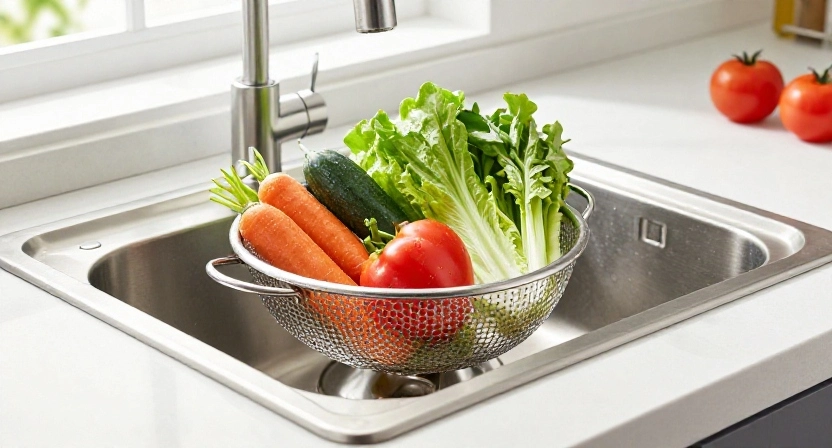
6. Clip-On Pot Strainer
A full-size colander is not always necessary. If you regularly drain pasta, potatoes, or cooked vegetables, a clip-on strainer can turn the pot itself into the draining container. These compact strainers attach to the rim of compatible cookware. You hold the pot and pour the liquid through the strainer while the food remains inside. The main advantage is efficiency. There is one less bulky item to retrieve, wash, dry, and store. Compatibility is the important limitation. Pot rims, wall thicknesses, and shapes vary, and a strainer that fits one piece of cookware may not fit another securely. Check the manufacturer's fit guidance and heat limitations before purchasing.7. Oil Sprayer
Pouring oil directly from a bottle makes it difficult to distribute a small amount evenly. An oil sprayer creates a finer coating across a pan, vegetables, or other food. It can be useful when roasting vegetables, preparing foods for an air fryer, lightly coating cookware, or finishing ingredients before seasoning. The important distinction is that reusable oil sprayers do not all produce the same spray pattern. Some create a fine mist, while others produce a narrower stream. Look for a design that is easy to refill and clean, and check what types of oils the manufacturer recommends. Thick oils or residue can interfere with some spray mechanisms over time.8. Vacuum Food Storage System
Ordinary food containers keep food covered. Vacuum storage systems go one step further by removing some of the air around food before storage. Reducing exposure to air can be useful for certain foods because oxygen contributes to processes such as oxidation. Vacuum sealers are also commonly used to package foods compactly for freezer storage. Systems vary considerably. Some use bags and a countertop sealing machine, while others use reusable containers or handheld pumps. The ongoing cost and inconvenience of proprietary bags or accessories deserve consideration. Vacuum sealing does not make perishable foods safe to store at room temperature indefinitely. Follow appropriate refrigeration or freezing guidance and recommended storage times for each food. Removing air alone does not eliminate harmful microorganisms. For households that freeze food in portions or buy ingredients in larger quantities, however, the system can be genuinely practical.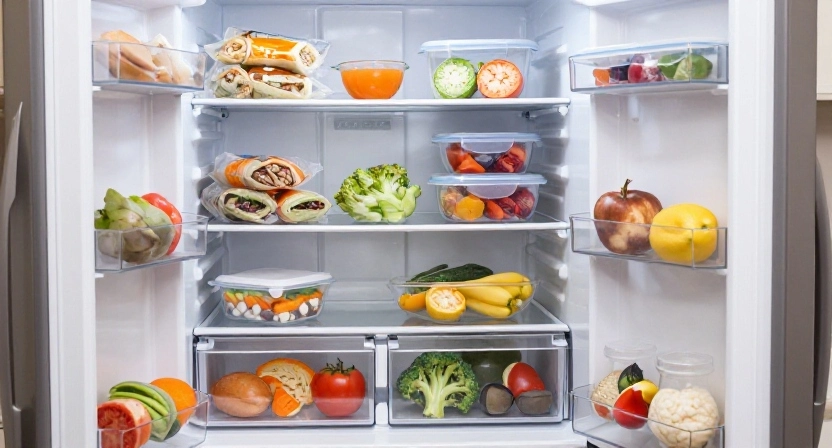
9. Silicone Freezer Portion Tray
Freezing soup or sauce in one enormous container creates an obvious problem later: what happens when you only need one serving? Portion trays solve that problem by dividing food into separate freezer-friendly compartments. Once frozen, portions can often be removed individually and transferred to another freezer-safe container or bag. They work particularly well for broth, soup, sauce, chili, purees, and other foods prepared in batches. Consider compartment size before buying. Someone cooking for one may want smaller portions than a household preparing family dinners. A flexible tray can make removal easier, but it should also be sturdy enough to move without spilling when filled with liquid.10. Magnetic Measuring Spoons
A conventional measuring-spoon set usually stays together on a ring. That solves one problem while creating another: removing the exact spoon you need can be annoying when your hands are busy. Magnetic measuring spoons use magnets to keep individual spoons stacked together without permanently connecting them. Some designs also have narrow ends that fit more easily inside spice jars, while the opposite ends use a more traditional rounded shape. Their main advantage is convenience rather than a change in how ingredients are measured. The magnetic design can make the spoons easier to store together and retrieve when needed. Look for clearly engraved measurements and shapes that fit the containers you commonly use.11. Cutting Board With Prep Containers
Chopping is only one part of food preparation. The chopped ingredients then need somewhere to go. Cutting boards with removable prep containers create temporary storage directly beneath or beside the work surface. Chop an onion, slide it into one container, prepare peppers in another, and keep the main cutting area relatively clear. This setup can be especially convenient for stir-fries, tacos, salads, soups, and recipes involving several separately prepared ingredients. The drawback is size. A board with integrated containers may take considerably more cabinet space than a flat board. Before buying, consider whether the containers are easy to remove, clean, and store, and whether the actual cutting surface is large enough for your normal cooking.12. Microwave Splatter Cover
Some of the cleverest kitchen purchases solve extremely ordinary problems. A microwave splatter cover sits over a plate or bowl while food heats. Its purpose is simple: help contain sauce, grease, and food particles that might otherwise end up on the microwave's interior. Ventilation is important because steam needs a way to escape. Some covers are rigid, while others collapse for easier storage. Make sure any cover you choose is specifically intended for microwave use and large enough for your typical dinner plates without interfering with the turntable. It still needs regular cleaning, but washing a cover is often easier than scrubbing dried sauce from the walls and ceiling of a microwave.13. Under-Cabinet Jar Opener
Jar lids can be difficult to grip, particularly when they are smooth, wet, or tightly sealed. An under-cabinet jar opener provides a gripping surface mounted beneath a cabinet. The lid is positioned in the gripping mechanism, and the jar is turned to help loosen it. Because the opener occupies otherwise unused space beneath a cabinet, it can also keep another tool out of a drawer. Installation requirements vary, so check how a particular model attaches and whether the mounting method is appropriate for your cabinetry. Renters may prefer a removable handheld alternative if permanent installation is not desirable.14. Herb Scissors
Herb scissors typically use several parallel blades to cut leafy herbs into narrow pieces with repeated snips. For people who frequently prepare chives, parsley, cilantro, or similar ingredients, they can speed up certain repetitive cutting jobs. They can also be convenient when you want to cut small amounts of herbs directly over a bowl or dish without using a separate cutting board. There is a catch: more blades mean more spaces where pieces of food can become trapped. Easy cleaning should therefore be a major buying consideration. If herbs appear only occasionally in your meals, a good knife will probably do the job without adding another specialized tool. This is a product that earns its place through frequency of use.15. Adjustable Drawer Organizer
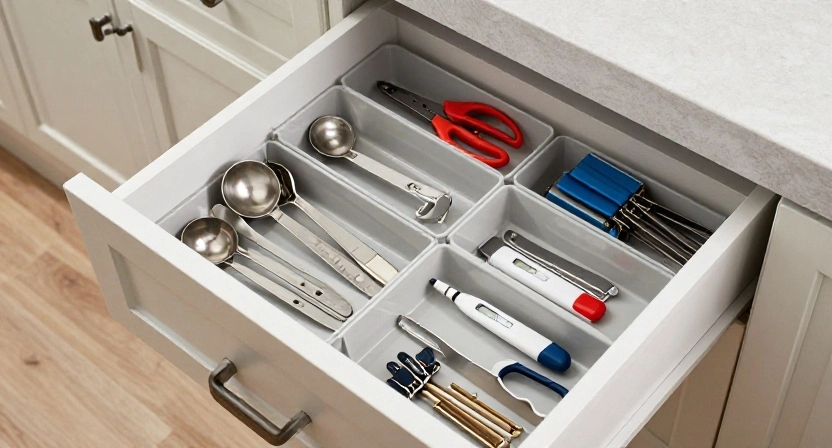
Not every clever kitchen product touches food. Sometimes the biggest improvement comes from making existing tools easier to find. Adjustable drawer organizers divide a large drawer into dedicated spaces for utensils, measuring tools, peelers, thermometers, clips, and other small items. Expandable or modular designs can adapt more effectively to different drawer dimensions than fixed trays. The benefit becomes noticeable during cooking. Instead of searching through a pile of utensils while something is simmering on the stove, the needed tool has a predictable location. Measure the inside of the drawer, including its depth, before buying. A beautifully organized tray is useless if the drawer cannot close.