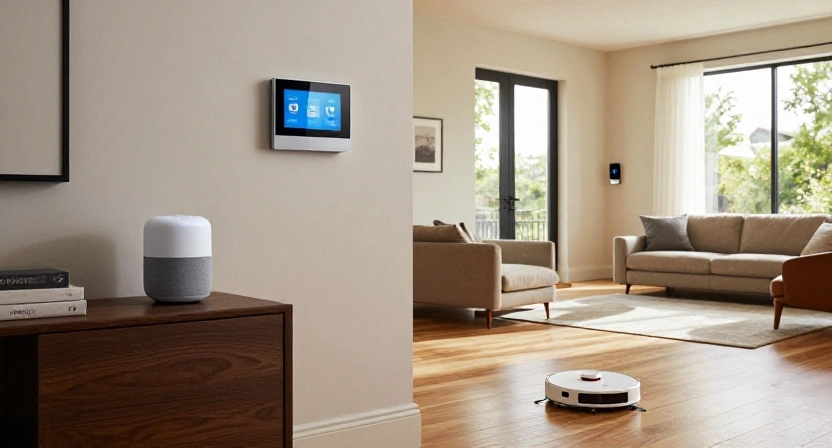
What Makes a Smart Home Gadget Worth Buying?
A useful smart device should continue earning its place after the novelty wears off. Consider a smart bulb that you control exclusively by opening an app, finding the correct room, and tapping a button. A wall switch might have been faster. Link that same light to a motion detector, dusk timer, or sleep schedule, and it starts performing a truly beneficial function. That leads to four questions worth asking before buying:- Does it solve a recurring problem? The more frequently the task takes place, the more beneficial automation can be.
- Does it work with your existing ecosystem? Look into Apple Home, Amazon Alexa, Google Home, Samsung SmartThings, Matter, or any platform you currently utilize.
- What happens when the internet goes down? Basic manual operation should ideally remain possible.
- Will it create another subscription? Certain features might only be accessible to plans that include cameras, security systems, and cloud storage options.
Based on this foundation, these are the categories of the smart home that will have the greatest practical effect.
1. Smart Thermostat: Automation You Can Actually Feel
A smart thermostat is one of the more substantial upgrades because it controls equipment that may operate for hours every day. Instead of maintaining the same temperature around the clock, a connected thermostat can follow schedules, respond to occupancy, provide remote controls, and help homeowners understand HVAC use. The ecobee Smart Thermostat Premium is a good example of how far the category has developed. It includes temperature and humidity sensing, radar-based occupancy detection, an indoor air-quality monitor, and a separate SmartSensor. It also works with major ecosystems including Apple Home, Alexa, Google Assistant, and SmartThings. The key purchasing inquiry is not which thermostat boasts the most extensive list of features. Initially, assess if it aligns with your HVAC system and wiring. Older systems, heat pumps, multi-stage systems, and homes without a conventional C-wire can require additional consideration. Ideal for: Homeowners seeking easier climate management and helpful scheduling options.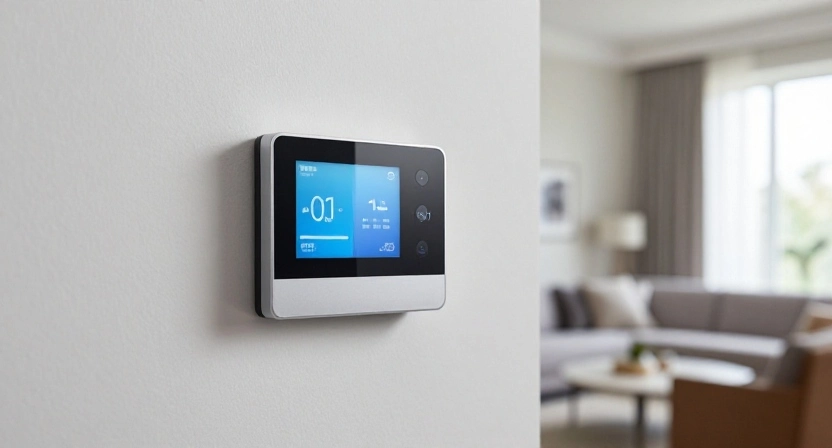
2. Video Doorbell: A Better View of the Front Door
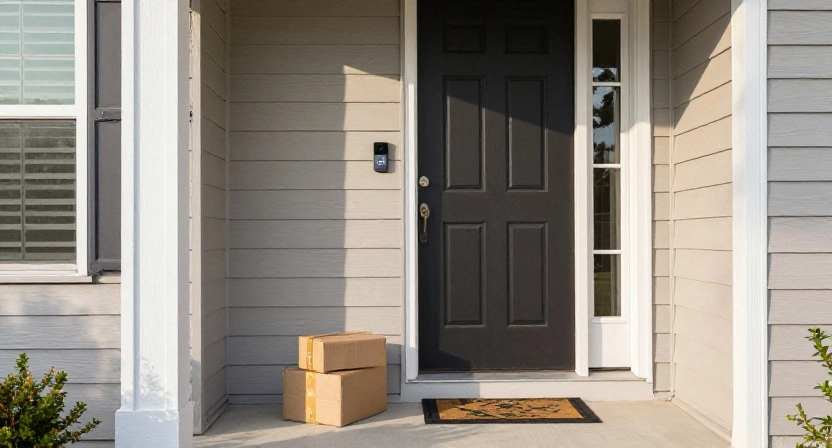
A video doorbell combines several jobs that once required separate equipment. It can function as a doorbell, camera, motion detector, package-monitoring tool, and two-way communication device. The practical value becomes obvious when nobody is home. Instead of simply discovering a delivery outside later, you can receive a notification and check the entrance remotely. Before buying, compare more than video resolution. Look at:- Wired versus battery-powered installation
- Field of view
- Package detection
- Nighttime performance
- Local versus cloud recording
- Required subscriptions
- Compatibility with existing doorbell wiring
3. Smart Lock: Forget the Backup Key
Smart locks address a notably particular household hassle: handling physical keys. A smart deadbolt allows homeowners to generate access codes for family, cleaners, dog walkers, or temporary visitors without handing out lasting spare keys. Additional models might feature a capability for remote locking and access. The Schlage Encode Plus, for instance, is compatible with Apple Home Key, enabling users with compatible iPhones and Apple Watches to unlock the door by tapping their device. It additionally permits access codes and management via Wi-Fi connection. Safety should be prioritized over smart functionalities in this case. Seek a reliable lock maker, comprehend the physical design of the deadbolt, activate the account safeguards provided by the manufacturer, and learn the implications of battery failure. Take into account the other members of the household. A lock that is simple for a tech-savvy individual but puzzling for kids, seniors, or visitors is not automatically a wise improvement. It is suitable for: Keyless access to visitors; controlled access to visitors.4. Smart Plugs: The Simplest Method to Enhance Regular Devices with Smart Features
Not all valuable smart-home purchases need to be costly. A smart plug connects to a wall outlet and a standard electrical appliance, allowing for remote or automated operation of compatible devices.This feature is especially valuable for lamps, seasonal decor, fans, and various devices that return to regular functioning once power is regained. A lamp in the living room can illuminate just before sunset and turn off by itself when it's time for bed. Smart plugs are not ideal for devices that need supervision while in use. Buyers ought to verify the electrical rating of the plug and the manufacturer's guidelines for the appliance instead of presuming that any device can be safely automated. Models compatible with various systems can be appealing when pursuing versatility in smart-home settings. Ideal for: Budget-friendly automation and timing of basic devices.5. Intelligent Lighting: More Beneficial as an Integrated System Than a Novelty Feature
Color-changing bulbs attract a lot of interest, but smart lighting is truly beneficial when it no longer needs manual control. A hallway light that turns on at 20 percent brightness when motion is detected after midnight is more practical than a bulb that can turn purple from a phone. Intelligent bulbs function effectively in lamps and separate light fittings. Intelligent switches might be more suitable for areas where multiple bulbs are managed collectively, as users can still operate a well-known wall control. The strongest lighting setups combine several elements:- Scheduled outdoor lights
- Motion-triggered hallways or closets
- Dimming during evening routines
- Automatic shutoff when rooms are vacant
- Vacation lighting schedules
6. Intelligent Speaker or Screen: The Hub for All Other Devices
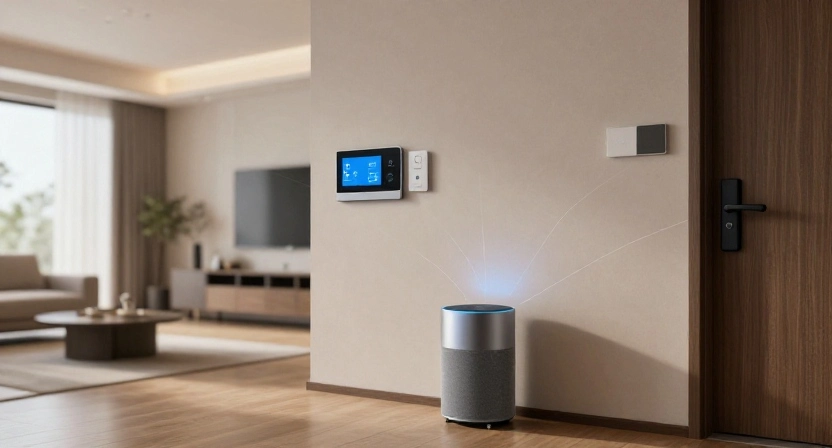
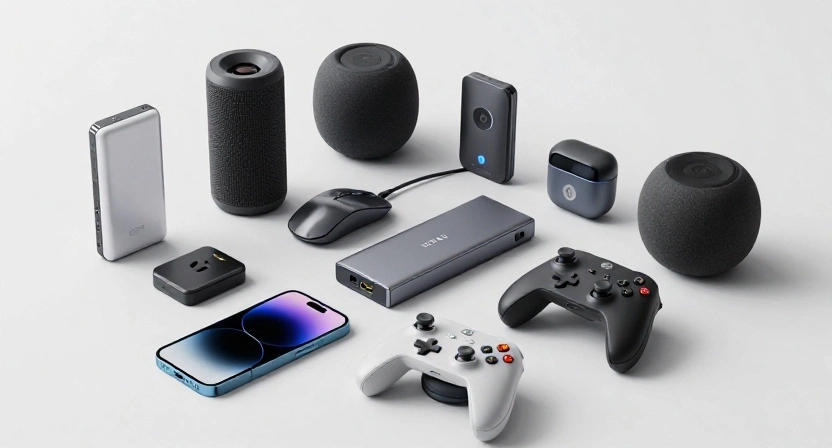
A smart speaker becomes considerably more valuable once other connected devices enter the home. Rather than primarily serving as a music player, it offers a straightforward voice interface for lights, thermostats, plugs, routines, timers, and compatible security devices. A smart display adds visual information such as camera feeds and touch controls. Some modern hubs also serve as Thread Border Routers. Thread is a low-power mesh networking technology used by certain Matter devices. Amazon, for instance, outlines Thread Border Router functionality in various Echo models, enabling compatible Matter-over-Thread devices to connect to a smart-home network. You do not necessarily need a speaker in every room. One or two strategically placed hubs may provide enough control for a modest home.Perfect for: Families enhancing their advanced connected-home configuration.
7. Robot Vacuum and Mop: Smart Technology That Does Physical Work
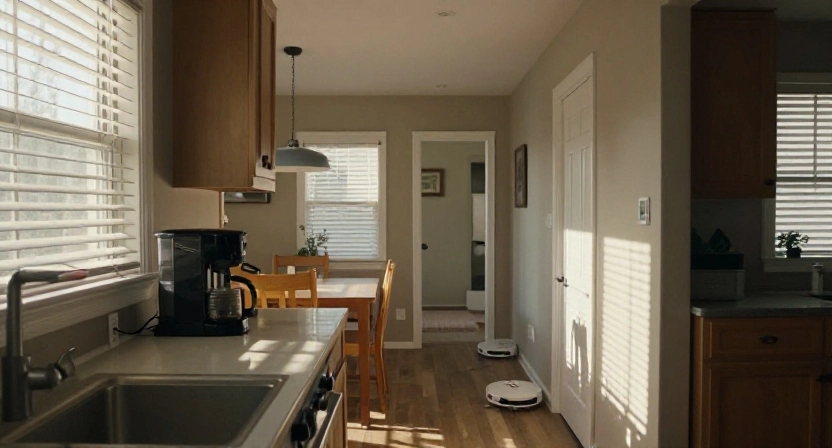
Many connected gadgets save a few taps. Robot vacuums can eliminate a tedious household task. Modern models can navigate areas, follow specific cleaning paths, recharge on their own, and in some cases, both vacuum and mop during one cleaning session. Improved docks can make extra maintenance tasks easier. For instance, the Roomba 205 DustCompactor Combo utilizes LiDAR mapping and integrates vacuuming with mopping, and its onboard mechanism compacts gathered debris instead of needing a bulky self-emptying dock. Higher-end Roomba models come with features such as automatic dustbin emptying, mopping, or liquid handling. No robot vacuum eliminates maintenance. Brushes collect hair, sensors get dirty, pads require cleaning, and obstacles can still cause trouble. Homes with thick rugs, stairs, cables, toys, or unusual floor plans should pay particular attention to navigation and obstacle avoidance. Perfect for: Energetic households, pet lovers, and those wanting automated routine floor cleaning.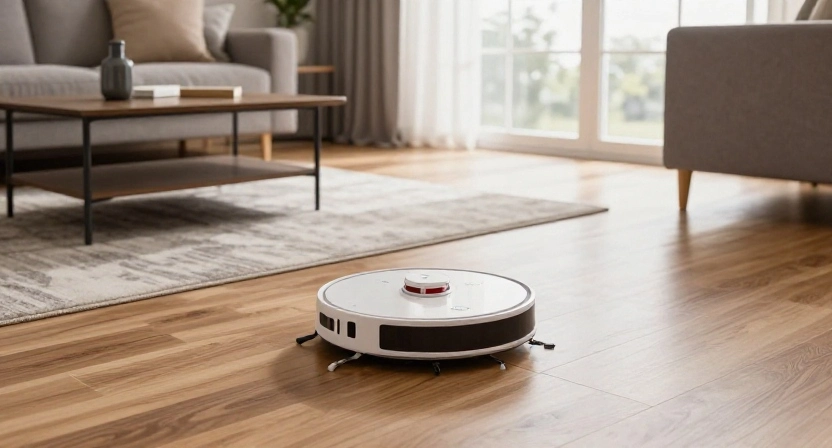
8. Smart Leak Sensor: Small Device, Potentially Big Warning
A water sensor may be one of the least glamorous gadgets in a smart home, but its job is unusually valuable. Located near a water heater, washing machine, dishwasher, toilet, sump area, or under a sink, a connected leak sensor can alert you when it detects unwanted water. That does not prevent every leak, nor does an alert guarantee that damage will be avoided. Its value is speed. A problem discovered early may be much easier to address than one that remains unnoticed for hours. More advanced systems can pair sensors with an automatic water shutoff valve, although installation becomes more complicated and may require professional help. Perfect for: Cellars, service areas, guest houses, and places where water leaks may remain unnoticed.9. Smart Smoke and Carbon Monoxide Alerts
Smoke and carbon monoxide protection should be chosen primarily for dependable safety performance and appropriate certification, not for app features. Connected functionality can still add useful capabilities. Depending on the product or system, remote notifications may tell you that an alarm has activated while you are away. Some smart-home devices can also recognize the sound of existing alarms. For example, ecobee says its Smart Thermostat Premium can provide smoke-alarm detection as part of its security functionality, although certain security features require a subscription. A smart notification system should complement properly installed and maintained smoke and CO alarms, not become a substitute for them. Best for: Homeowners who want remote awareness in addition to conventional alarms.10. Intelligent Garage Door Manager: Beneficial for a Modern Inquiry
"Did I close the garage?" A garage-door controller that is connected mainly serves to address that query. Depending on the system, homeowners can check door status remotely, receive alerts when the door opens or remains open, and integrate it into routines. This is especially beneficial when the garage acts as a commonly utilized entry point for the home. Compatibility is the catch. Garage-door opener models vary considerably, and some smart controllers work only with particular manufacturers or require additional hardware. Verify the specific opener model prior to purchase. Remote operation also deserves careful configuration because a garage door is a large moving mechanism, not simply another connected light. Ideal for: Motorists who frequently utilize a linked garage for access.11. Smart Blinds and Shades: Automation That Works With the Sun
Motorized shades cost more than smart plugs or bulbs, yet they demonstrate the capabilities of effective home automation.
Instead of opening and closing blinds manually every day, shades can follow schedules or participate in scenes. Bedrooms can gradually brighten in the morning, while west-facing windows can close during intense afternoon sunlight.
Installation and cost vary dramatically. Certain systems substitute the whole shade, whereas retrofit products enhance a current mechanism with automation. Power can come from batteries, wiring, or other arrangements depending on the model.
For individuals constructing or significantly remodeling a house, arranging for motorized window treatments prior to completing the walls and electrical installations can result in a tidier setup.
Best for: Hard-to-reach windows, privacy routines, and automated daylight management.
12. Smart Sensors: The Hidden Ingredient in Better Automation
The most effective smart home could possess more sensors than stylish devices. Door, window, occupancy, motion, temperature, humidity, and light sensors give an automation system context. Instead of waiting for a command, the home can react to a condition. A contact sensor could inform the system that a patio door remains open. An occupancy sensor can prevent lights from staying on in an empty room. A temperature sensor placed away from the thermostat can reveal that a bedroom is considerably warmer or cooler than the hallway. This is where automation transcends mere remote control. A phone-controlled lamp is connected. A light that activates solely when a person enters a dim space is automated. Best for: Anyone seeking to have smart devices function with minimal manual intervention.Which Smart Home Gadgets Should You Buy First?
Buying everything at once is rarely the best strategy. Start with the problem you actually want to solve.| Your priority | Smart device to consider first | Main benefit |
| Heating and cooling control | Smart thermostat | Scheduling and automated climate control |
| Front-door awareness | Video doorbell | Remote visitor and delivery monitoring |
| Keyless entry | Smart lock | Codes and convenient access |
| Simple automation | Smart plug | Low-cost scheduling and remote control |
| Routine floor cleaning | Robot vacuum | Automates a recurring physical chore |
| Water monitoring | Leak sensor | Earlier warning of unwanted water |
| Whole-home automation | Smart speaker/hub + sensors | Coordinates devices and routines |
Matter and Thread Are Easing Compatibility Challenges
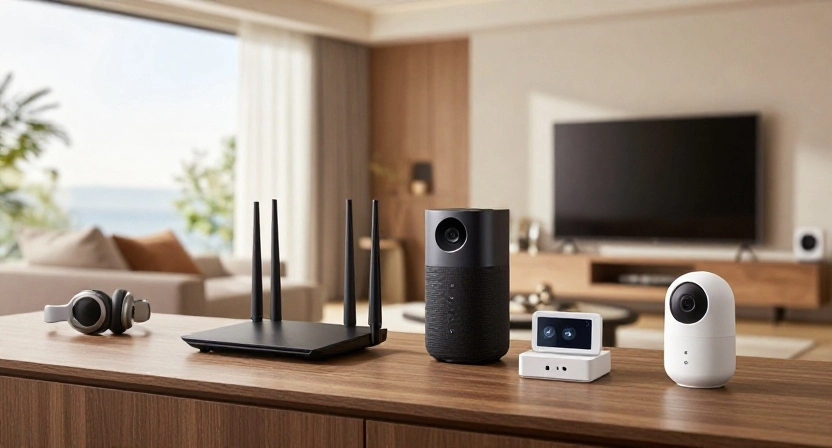
For many years, one of the most challenging aspects of creating a smart home was determining if Device A could connect with Platform B via Hub C. Matter is intended to reduce that fragmentation. It provides a common application-layer standard backed by major technology companies and smart-home manufacturers. The standard keeps growing, as Matter 1.5 introduces support for more categories like cameras and closures. Thread is different. It is a low-power IP-based mesh networking technology that can carry Matter communications for compatible devices. Thread devices may communicate through a Thread Border Router, which connects the Thread network with the rest of the home's IP network. For shoppers, the terminology can be simplified: Matter is about interoperability. Thread is one way compatible devices can communicate. Not all smart-home devices require Thread, and Wi-Fi is still widely used. But checking for Matter support can provide more flexibility when building a system across brands.