
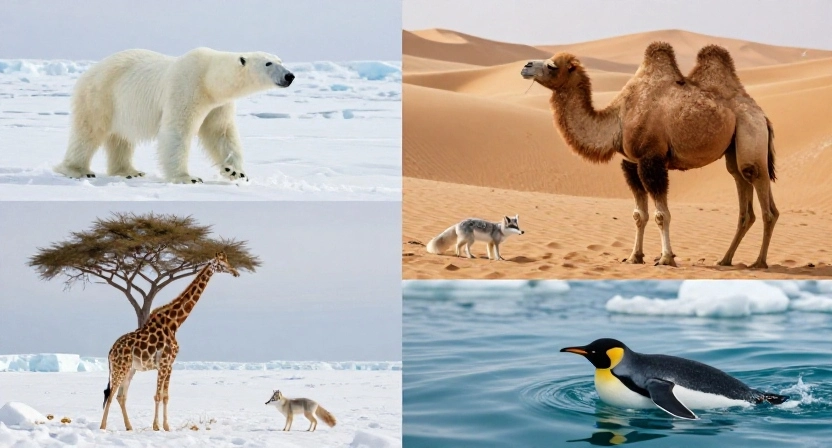
What Is an Animal Adaptation?
An adaptation is a heritable trait that contributes to an organism's survival and reproductive success in its environment. Adaptations become established across generations through evolutionary processes, including natural selection. National Geographic Education That difference is significant since individual animals do not deliberately alter themselves when faced with challenging conditions. A rabbit is unable to determine that its offspring require denser fur, for instance. Instead, individuals within a population vary. Certain inherited traits might offer a benefit in specific environmental situations. If individuals possessing those traits are more successful at surviving and reproducing, those traits can become more common in later generations. Animal adaptations are often discussed in three broad categories:- Structural adaptations: Physical traits like body form, fur, limbs, dentition, or pigmentation.
- Physiological adaptations: Internal mechanisms that assist an animal in dealing with environmental stressors, such as saving water or enduring cold temperatures.
- Behavioral adaptations: Patterns of behavior that improve survival or reproduction, such as migration, nocturnal activity, or group defense.
1. Kangaroo Rats Conserve Water in the Desert
For a tiny mammal residing in the arid regions of western North America, dehydration poses a clear danger. Kangaroo rats offer a remarkable illustration of how multiple adaptations can tackle the same environmental challenge. Their bodies minimize water loss by producing highly concentrated urine and dry waste. Specialized nasal passages likewise decrease the moisture loss during respiration. They obtain water from their food and from water produced during metabolism, allowing them to survive while rarely, if ever, drinking liquid water. National Park Service Their behavior adds another layer of protection. Kangaroo rats are nocturnal and shelter in underground burrows during the hot daytime hours, when remaining above ground would expose them to greater heat and water loss. National Park Service This is a useful reminder that adaptation often works as a package. Physiology, anatomy, and behavior can reinforce one another.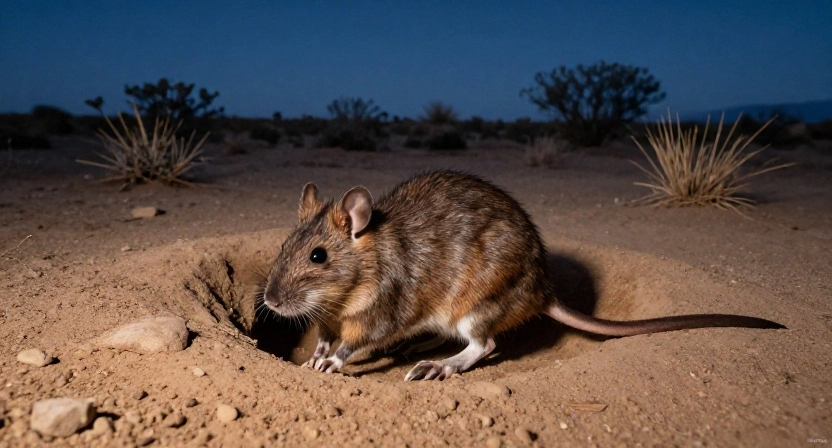
2. Wood Frogs Can Survive Freezing
Many animals encounter significant cellular injury if their bodies freeze. Wood frogs have evolved an extraordinary physiological response that allows them to survive freezing conditions. When temperatures drop, wood frogs gather glucose that serves as a cryoprotectant, safeguarding their cells from harm and dehydration as ice develops in other areas of the body. In winter's freeze, respiration and heartbeat may cease, then revival occurs as the frog warms up. National Park Service This adaptation has allowed wood frogs to occupy remarkably cold environments, including interior Alaska. It also demonstrates why adaptations should not always be judged by appearance. A wood frog does not necessarily look equipped for severe winter weather. Its most remarkable defenses operate at the physiological level.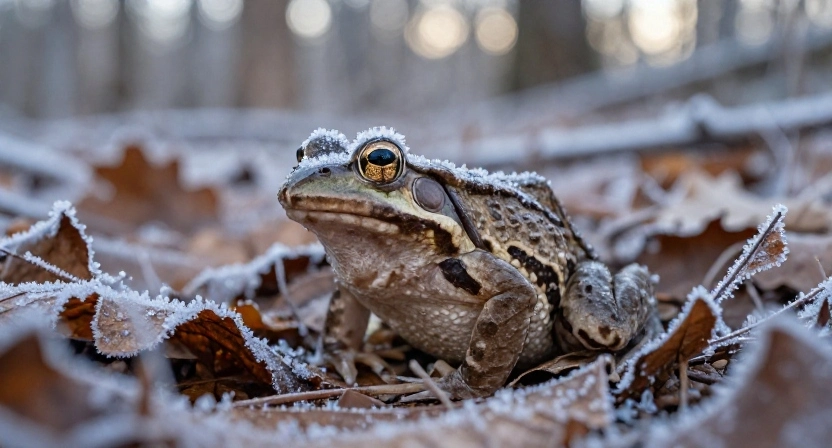
3. Arctic Foxes Change With the Seasons
Camouflage becomes difficult in a setting that transforms significantly over the year. A coat that blends into snow can become conspicuous after the landscape turns brown. Arctic foxes tackle this issue by altering their fur with the seasons. Their thick fur also offers warmth in very cold conditions. This is an example of a structural adaptation serving more than one function. Fur is not merely decoration or camouflage. Its density and seasonal traits assist an animal in managing both temperature and visibility. More broadly, it illustrates an important evolutionary principle: the usefulness of a trait depends on the environment in which the animal lives.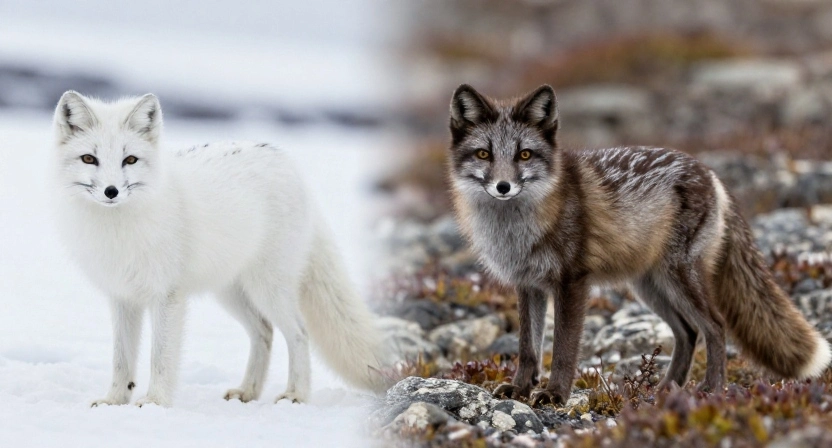
4. Camels Are Built for Heat and Water Scarcity
Camels are often linked to their humps, yet the prevalent assertion that these humps merely “hold water” is inaccurate. They primarily contain fat, which serves as an energy reserve. The camel's success in arid environments comes from multiple characteristics rather than one desert trick. Its physiology can manage significant variations in bodily conditions, while structural traits assist with temperature, sand, mobility, and nourishment. Long eyelashes and nostrils that can be narrowed offer protection in dusty conditions. Broad, padded feet distribute weight over loose sand. Long legs elevate a significant part of the body away from the scorching ground. The camel is therefore a good example of why describing an adaptation requires asking exactly what problem a trait helps solve.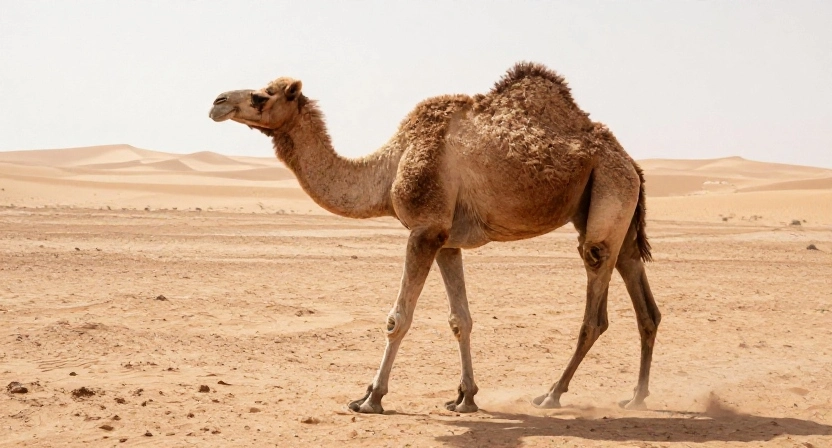
5. Polar Bears Possess Various Adaptations for Life in the Arctic
A polar bear must cope with frigid temperatures, swimming, hunting on and near sea ice, and times when food may be hard to find. Its dense coat and significant layer of body fat aid in minimizing heat loss. Large paws assist with movement and swimming, while powerful limbs support an animal that spends considerable time traveling across an icy marine environment. The bear's adaptations cannot be clearly divided into “one trait for cold” and “one trait for hunting.” Its form embodies a collection of traits molded by existence in the Arctic. This also highlights an important limitation of adaptation. Being highly specialized for one environment can make rapid environmental change particularly challenging. An adaptation is advantageous within a certain ecological context, not an all-purpose guarantee of survival.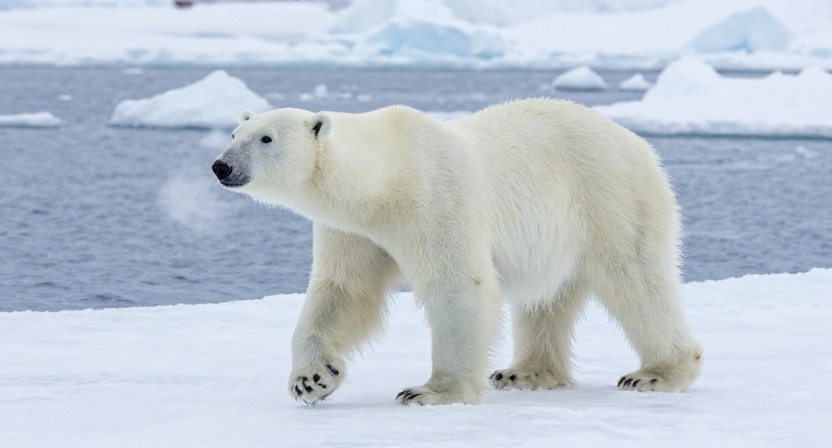
6. Fennec Foxes Utilize Their Big Ears in a Warm Climate
The fennec fox is easily identifiable due to its unusually big ears. Those ears help in sensing sounds, such as possible prey, but their expansive surface area also aids in regulating heat. That makes them especially appropriate for an animal living in hot, dry environments. Fennec foxes also use behavioral strategies. They mainly come to life at night, steering clear of the extreme heat of the desert during the day. This combination demonstrates a recurring pattern among desert animals. Steering clear of heat can be equally important as being able to endure it physically.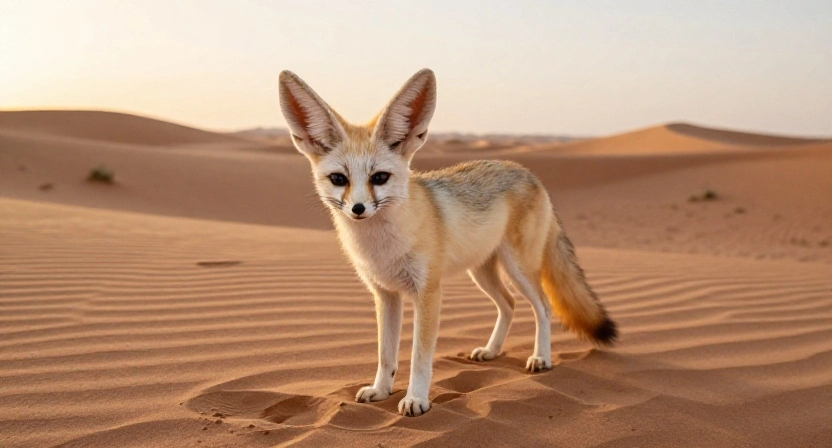
7. Penguins Use Body Shape and Group Behavior
Penguins demonstrate how evolution can modify features passed down from their forebears. Their wings have become flipper-like structures suited to underwater propulsion rather than powered flight through the air. Streamlined bodies reduce resistance as they move through water, and dense plumage contributes to insulation and waterproofing. Certain penguin species exhibit significant behavioral adaptations. For instance, emperor penguins gather closely during harsh Antarctic weather. The animals can lower individual exposure to cold by creating a tight group and shifting positions over time. Here, survival depends on both individual anatomy and collective behavior.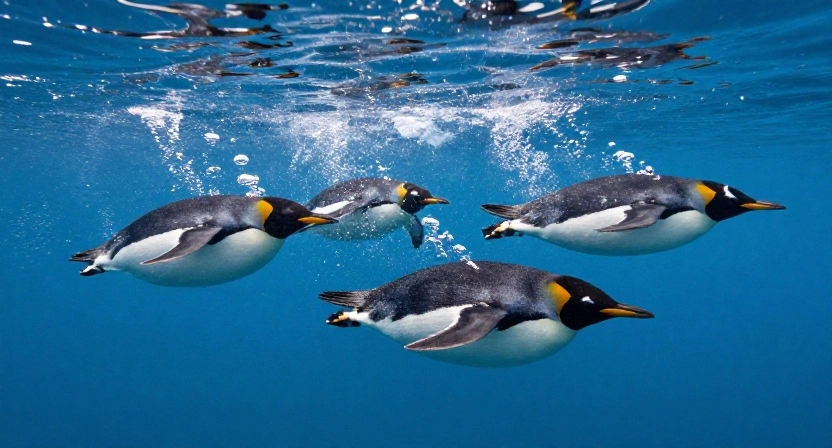
8. Giraffes Obtain Food That Other Animals Find Hard to Access.
The giraffe's long neck is one of the world's most recognizable structural adaptations. It allows giraffes to browse vegetation at heights unavailable to many other large herbivores. But focusing only on the neck oversimplifies the animal. Tall legs further add to its remarkable stature, while its grasping tongue and flexible lips assist in managing foliage, even spiky ones. A giraffe's cardiovascular system must also function effectively despite the considerable vertical distance between its heart and brain. A striking physical characteristic seldom stands alone. Other parts of the animal's anatomy and physiology must function alongside it.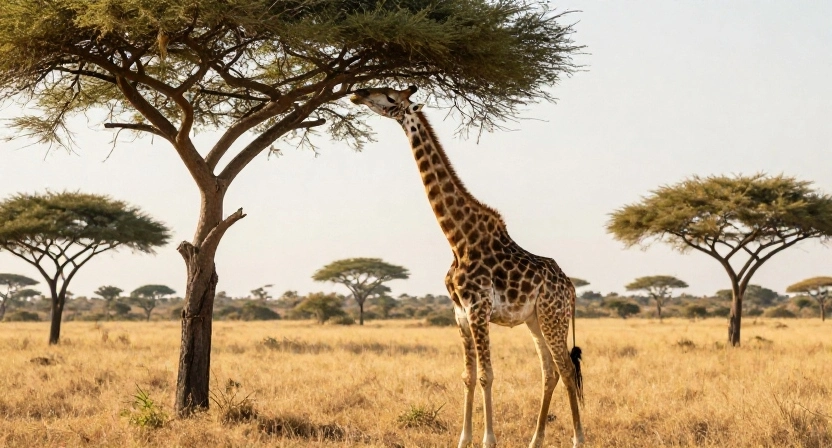
9. Owls Are Enhanced for Sensing and Engaging Prey
Owls combine several features that make them effective predators, particularly under low-light conditions. Big eyes capture light effectively, while unique hearing aids various species in finding prey. Their feathers have characteristics that reduce noise during flight, making their approach quieter. These characteristics address various phases of the same issue: finding prey and approaching it closely enough to catch it. The owl therefore provides a particularly clear example of complementary adaptations. Natural selection can favor multiple characteristics that work together rather than producing one spectacular feature responsible for everything.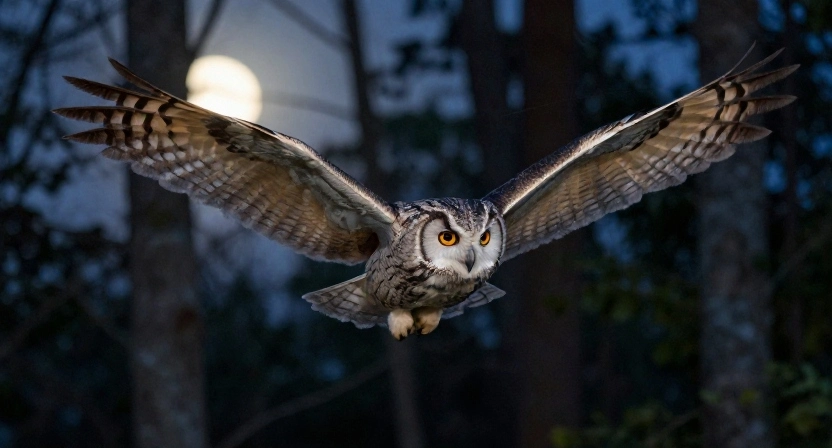
10. Ducks Possess Feet Adapted For Navigating In Water
Webbed feet serve as a clear illustration of how structure corresponds to function. When a duck moves its feet backward in water, the webbing creates a fairly wide surface to push against the water. The feet can subsequently be adjusted for the following stroke. Not every adaptation needs to look extreme. Some of the clearest examples are familiar features people see regularly. The same concept is consistently observed among aquatic creatures: body parts that engage with water are typically shaped to influence propulsion, steering, stability, feeding, or a blend of these functions.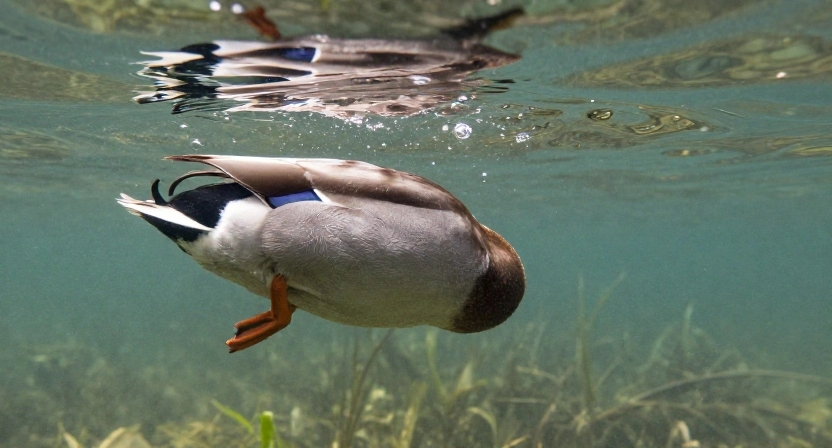
11. Gray Whales Migrate Between Different Habitats
A modification does not need to be an observable body part. Conduct can also be vital. Gray whales make extensive seasonal migrations from cold feeding zones to warmer regions designated for breeding and giving birth. National Geographic recognizes migration as a prime illustration of behavioral adaptation. National Geographic Education Migration enables an animal to exploit various environments at different times instead of staying in a single place all year round. That tactic is evident throughout the animal kingdom. Birds, mammals, fish, insects, and various other animals engage in seasonal migrations linked to food sources, breeding, temperature changes, rainfall patterns, or other environmental factors.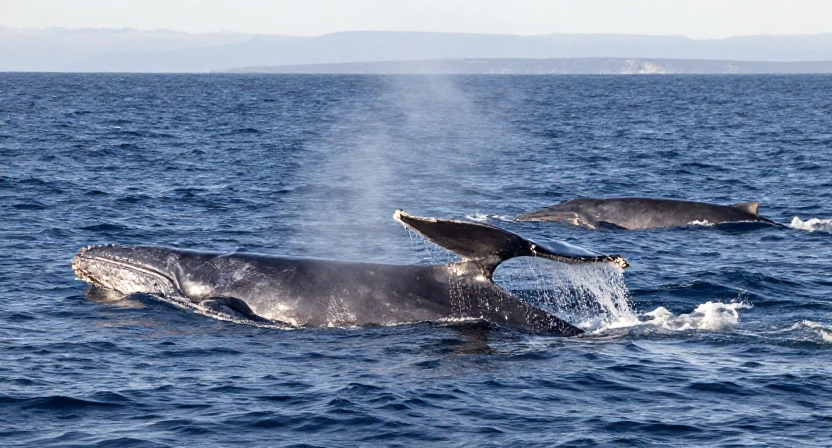
12. Porcupine Quills Turn Modified Hairs Into Defense
Not all adaptations relate to climate or searching for sustenance. Staying away from being consumed is just as crucial. North American porcupines possess sharp quills over a large portion of their bodies. These formations are altered hairs that offer a strong physical barrier against numerous predators. The National Park Service notes that quills can deter predators, although the defense is not unbeatable. Certain predators are capable of discovering tactics to target the porcupine's body in less-defended regions. National Park Service That last detail matters. Evolution rarely produces perfect defenses. Predator adaptations and prey defenses can exert continuing selective pressure on one another.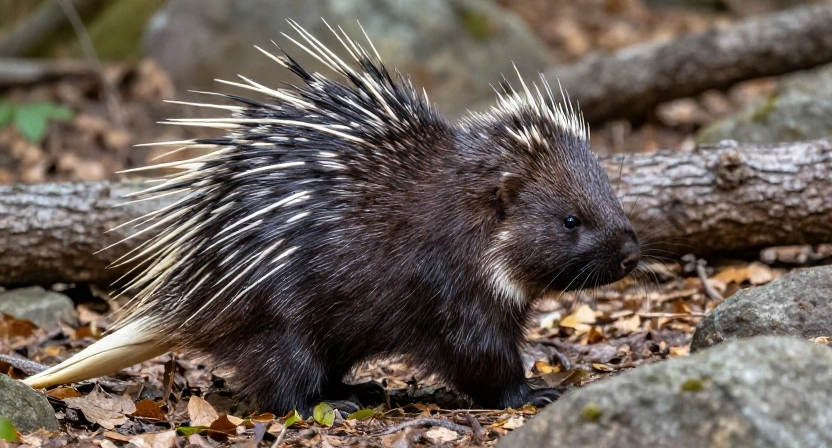
Comparing Different Types of Animal Adaptations
The examples are simpler to comprehend when categorized by the primary obstacle encountered by each animal.| Animal | Environment or Challenge | Notable Adaptation | Main Type |
| Kangaroo rat | Water scarcity in deserts | Efficient water conservation and highly concentrated urine | Physiological and behavioral |
| Wood frog | Freezing winter temperatures | Freeze tolerance and cellular protection | Physiological |
| Arctic fox | Extreme cold and seasonal changes in the landscape | Dense fur and seasonal coat-color changes | Structural |
| Camel | Hot, arid environments | Heat tolerance, water conservation, and padded feet | Structural and physiological |
| Polar bear | Arctic cold and marine hunting | Thick insulation, large paws, and swimming ability | Structural |
| Fennec fox | Desert heat and limited water | Large ears that aid heat exchange and nocturnal activity | Structural and behavioral |
| Penguin | Cold marine environments | Flipper-like wings, streamlined bodies, and group huddling | Structural and behavioral |
| Giraffe | Reaching elevated vegetation | Long neck, long legs, and specialized feeding anatomy | Structural |
| Owl | Locating and capturing prey | Specialized hearing, vision, and feathers that reduce flight noise | Structural |
| Duck | Moving efficiently through water | Webbed feet that help generate forward movement | Structural |
| Gray whale | Seasonal food availability and reproduction | Long-distance seasonal migration | Behavioral |
| North American porcupine | Defense against predators | Sharp quills that discourage attacks | Structural |