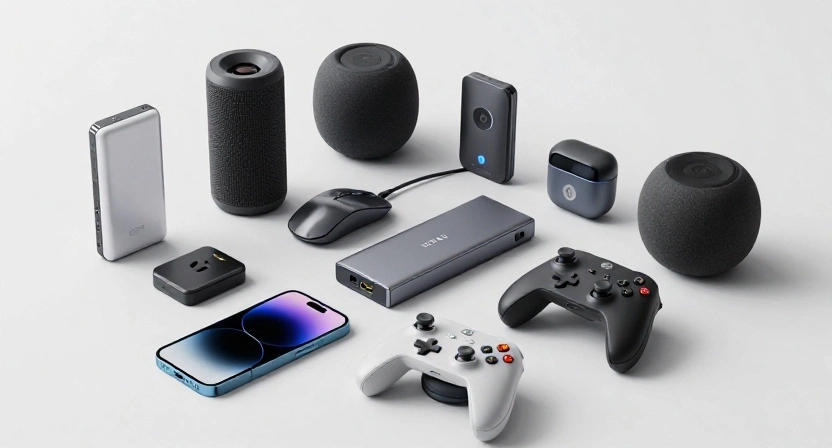
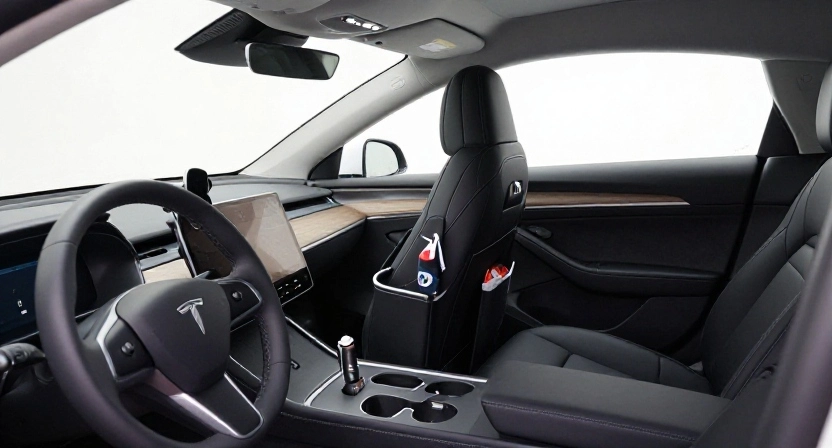
A vehicle doesn't require an abundance of devices to enhance its practicality. Several Practical Car Accessories for Daily Driving can address the minor issues drivers face consistently, from securing a phone for navigation to monitoring tire pressure prior to an extended trip. The most valuable accessories often enhance safety, organization, visibility, or preparedness discreetly instead of just adding another electronic function to the dashboard.
That difference is important because not all trendy car accessories warrant placement in the cabin. Some generate mess, some are effective only in certain contexts, and improperly placed devices can turn into diversions. A more effective method is to select accessories based on the issues you truly encounter. For the majority of drivers, this entails beginning with fundamental necessities, followed by incorporating convenience items that match the vehicle, weather, journey, and occupants.
1. A Secure Phone Mount
For drivers utilizing a smartphone for navigation, a properly placed phone mount can be more convenient than constantly retrieving the device. The objective is to discourage phone use while operating a vehicle. It is to position navigational details where they can be seen with little movement. Mounts typically secure to the dashboard, windshield, air vent, or another area of the interior. The optimal design largely depends on the vehicle. A vent mount might be handy in one vehicle but obstruct airflow or fit badly in another. A dashboard mount might provide improved positioning but requires a secure mounting surface. Placement warrants thoughtful consideration. The mount must not block the driver's line of sight, impact vehicle controls, or be located in the path of an airbag when it deploys. Drivers should enter their destinations and make necessary adjustments prior to moving. That final point is particularly significant. The National Highway Traffic Safety Administration (NHTSA) broadly characterizes distracted driving as actions that take attention away from driving, which includes engaging with navigation systems. NHTSA reported 3,208 fatalities in accidents with distracted drivers in 2024. A mount can simplify phone placement, but it does not ensure safe phone usage while driving.2. A Reliable Car Charger
Navigation, streaming music, Bluetooth connections, and phone calls can deplete a phone's battery over an extended time on the road. A small USB car charger offers a convenient method to charge important devices. Prior to making a purchase, examine the charging port in your vehicle as well as the devices you intend to connect. USB-A is still prevalent, although a growing number of recent phones and devices utilize USB-C. Drivers using several devices might favor a charger that has two or more ports. For many daily drivers, compatibility and reliability are more important than charging speed. A cheap charger that doesn't fit well, overheats, or often disconnects can be more frustrating than beneficial. A charging cable needs to be short enough to prevent it from getting tangled around the gear selector, steering wheel, or various controls. Maintaining a single designated cable in the vehicle resolves the common issue of discovering that the only suitable cable was forgotten at home.3. A Portable Tire Pressure Gauge
This ranks among the tiniest items on the list, yet it serves a real maintenance function. Contemporary cars often feature tire pressure monitoring systems, known as TPMS; however, drivers must not rely solely on the warning light instead of performing regular pressure checks. NHTSA advises inspecting all tires, including the spare, at least once a month while they are cold. It also mentions that TPMS alerts typically engage only after a tire is considerably underinflated. A basic digital or analog pressure gauge allows you to measure pressure at home, at a fuel station, or while traveling. Refer to the pressure indicated on the Tire and Loading Information label of the vehicle, usually located near the driver's door, or check the owner's manual. Avoid just pumping the tires to the highest pressure indicated on the tire's sidewall. Despite occupying minimal storage space, a pressure gauge offers remarkably significant practical benefits.4. A Portable Tire Inflator
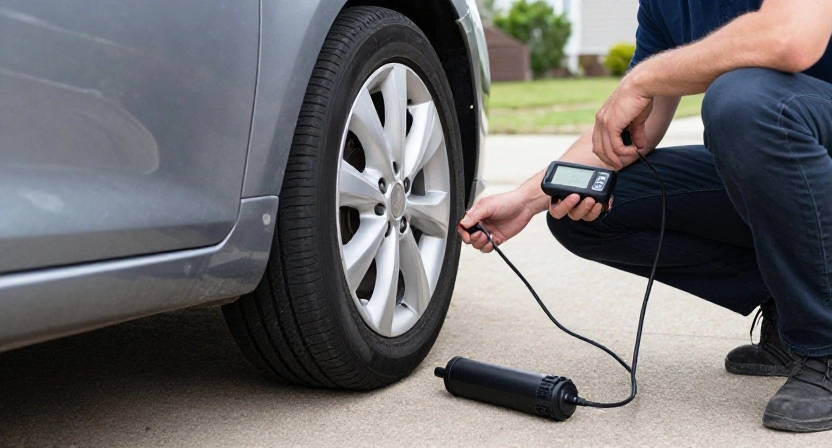 A pressure gauge indicates that an issue exists. A portable inflator can assist you in fixing slight underinflation without having to quickly look for an air pump.
Small 12-volt inflators can typically fit in the trunk, whereas rechargeable versions provide greater convenience. Helpful features might consist of a clear pressure gauge, a sufficiently long power cord or hose, and automatic shutoff at a chosen pressure.
An inflator does not fix a broken tire. A tire showing significant punctures, sidewall harm, unusual swelling, or quick pressure loss requires thorough examination and either repair or replacement. The inflator should be regarded as a temporary support and maintenance device instead of a replacement for tire servicing.
If you purchase one, make sure to understand its operation prior to any emergency. Encountering an unknown connector or power need on the edge of a dimly lit highway is not the best situation.
5. Booster Cables or a Mobile Jump Starter
A depleted or weak battery can transform a typical morning into a significant hassle. Standard jumper cables continue to be beneficial, especially when another car is accessible.
6. A Compact Emergency Roadside Kit
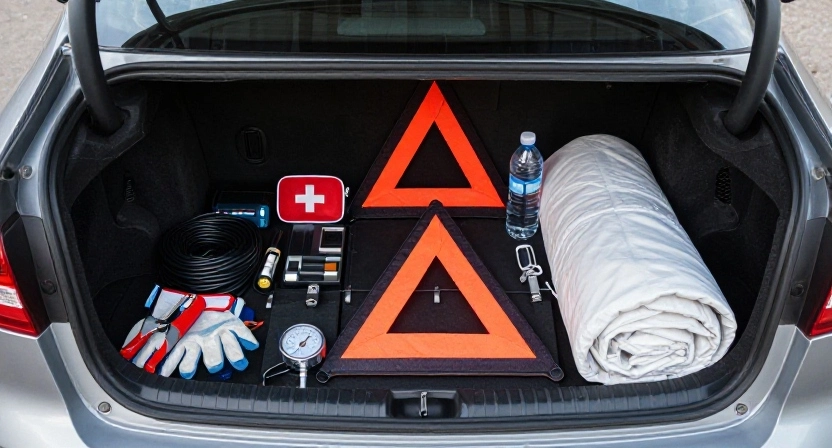 Certain accessories enhance the convenience of a drive. A survival kit is available for the day when convenience ceases to be the primary focus.
NHTSA advises having a roadside kit, even if the vehicle is well-maintained. Recommended supplies consist of items like a phone with charger, first-aid kit, flashlight, jumper cables, tire pressure gauge, essential tools, water, non-perishable food, and emergency blankets.
You don't have to purchase everything in a single preassembled set. Assembling your own kit enables you to select valuable parts instead of spending money on numerous inferior items.
A basic kit might contain:
- Flashlight and spare batteries
- First-aid supplies
- Jumper cables or a charged jump starter
- Reflective warning equipment
- Work gloves
- Drinking water and shelf-stable snacks
- Phone charging equipment
- Tire pressure gauge
- Emergency blanket
- Basic tools appropriate for the vehicle
7. A Bright LED Flashlight
Many smartphones come with a flashlight, but carrying a separate light remains beneficial. Relying solely on your phone for lighting drains the battery that might be necessary for calls or directions.
A small LED flashlight is useful for examining a tire at night, searching for something under a seat, looking under the hood, or finding emergency supplies.
Seek a design that is simple to handle with one hand and appropriate for the environment where it will be kept. If it requires replaceable batteries, maintain suitable backups. If it can be recharged, include charging it in your regular emergency-kit maintenance.
Do not leave heavy loose flashlights in places where they might roll around the cabin. Keep them safe, yet in a location that is fairly easy to reach.
8. A Trunk Organizer That Truly Accommodates Your Load
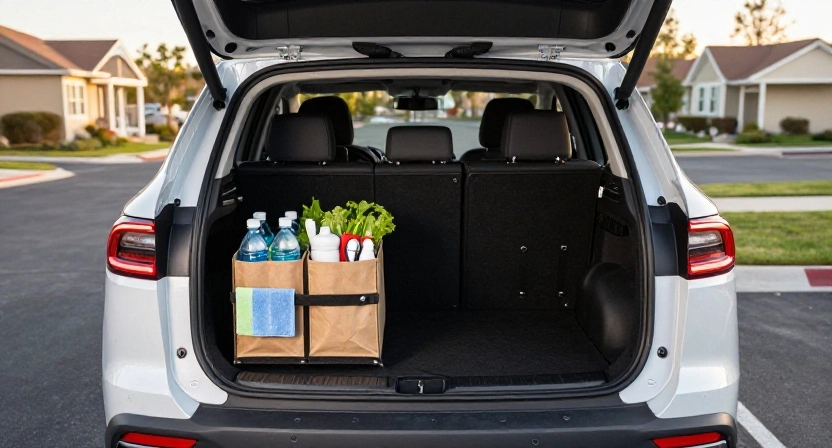
The trunk often gathers items over time: reusable grocery bags, cleaning supplies, tools, charging cords, emergency gear, athletic equipment, and things that should have been brought inside days earlier.
A trunk organizer assigns specific locations for these items and stops smaller objects from shifting around in the cargo space during turns and sudden stops.
Collapsible organizers are particularly beneficial as they can be minimized when additional space for cargo is required. Models featuring customizable compartments allow for easier segregation of emergency supplies from groceries or cleaning items.
The key principle is safe storage. Bulky or dense items must not be left unsecured, as abrupt stops or crashes could cause them to shift within the vehicle.
For numerous commuters and families, the organization is one reason Practical Car Accessories for Daily Driving can be beneficial even if they lack advanced technology.
9. Seat-Gap Storage or a Compact Cabin Organizer
Coins, charging cords, parking tickets, sunglasses, and various small items have a remarkable tendency to vanish between car seats. A compact console organizer or a thoughtfully designed seat-gap organizer can make finding frequently used items easier and reduce loose clutter. The focus must be on achieving the right fit. An accessory that obstructs seat movement, seat belts, controls, or other vehicle parts causes more issues than it resolves. Drivers ought to avoid transforming organizers into cluttered storage containers. Having only a limited number of truly helpful items within reach is generally preferable to cramming every possible pocket. Any items you don't require while driving can typically stay in the glove compartment, console, or trunk.10. Reusable Microfiber Cloths
Not all practical accessories require a battery. A clean microfiber cloth can remove fingerprints from glass interiors, dust from screens, or light moisture from appropriate surfaces. Storing two or three clean cloths in a small bag prevents one dirty cloth from being used on all areas of the interior. Clean glass on windshields can enhance visibility, especially when glare, rain, or nighttime lighting makes smudges more prominent. Exercise caution with cleaning solutions on touchscreens and coated surfaces. Automakers might indicate which products are suitable for infotainment screens and interior materials; thus, the owner's manual should be prioritized over general cleaning recommendations.11. A Sunshade for the Windshield
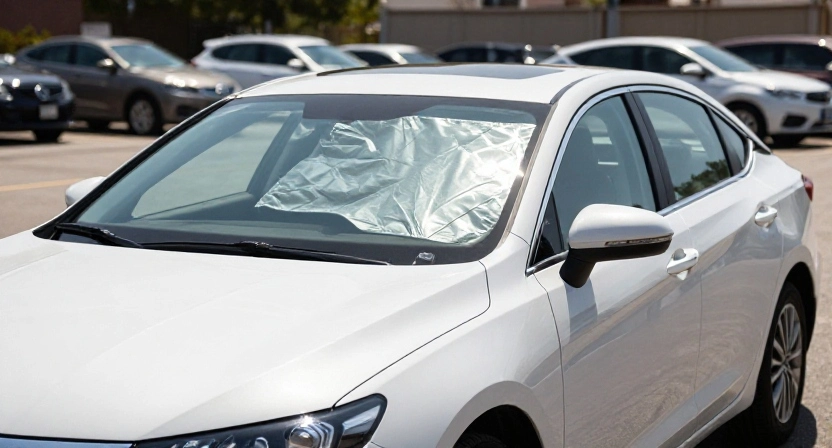 Motorists in warm regions soon realize the impact of heat and direct sunlight on the inside of a parked car. A foldable or rollable sunshade for windshields is easy, low-cost, and requires no setup other than positioning it behind the windshield when parked.
The primary factor is fit. A cover that is significantly smaller than the windshield results in extensive exposed spots, whereas a too-large version can be cumbersome to place and store.
Certain cars are equipped with cameras or sensors close to the rearview mirror, so ensure that the shade can be adjusted without harming any installations near the glass.
This serves as a comfort aid instead of a replacement for wise measures in hot weather. Avoid relying on a sunshade to guarantee that a parked vehicle is safe for a child or pet.
12. A Compact Trash Container
A tiny waste bin may seem too mundane for an accessories list, yet it addresses an issue found in almost every frequently used vehicle. Receipts, tissues, food wrappers, and used packaging often pile up in door pockets, cup holders, and footwells. A reusable container with a tight-fitting lid or lining provides a specific place for that waste. Select a spot that does not obstruct the pedals, leg space for passengers, seat adjustment, or air vents. A straightforward design that can be cleared quickly tends to be more practical than a complex model that takes up precious cabin space. For those commuting, rideshare drivers, and families specifically, this could be one of the most affordable methods to make a regularly used vehicle seem significantly more organized.Which Accessories Are Actually Worth Buying First?
The response relies more on your usage of the vehicle than on trends.| Driving situation | Accessories worth prioritizing |
| Daily commuting | Phone mount, charger, tire gauge |
|
Regular car trips |
Emergency supplies, air pump, torch, battery booster |
| Family driving | Trunk organizer, cabin organizer, trash container |
| Older vehicle | Jump-start equipment, tire gauge, emergency kit |
| Hot-weather parking | Windshield sunshade |
| Long-distance or remote driving | Expanded emergency supplies, charging equipment, inflator |
What to Check Before Buying Car Accessories
Compatibility outweighs the significance of an impressive list of features. Prior to purchasing an accessory, verify its size, power needs, installation method, and the area available in your vehicle. Focus on the accessories placed close to the dashboard, steering wheel, seats, or windshield. They must not obstruct the driver's vision, hinder controls, interfere with seat belts, or be located within the airbag deployment zone. Electrical accessories demand an equal amount of focus. Do not overload the vehicle's power outlets, and adhere to the specifications provided by the vehicle manufacturer for any devices connected. Ultimately, be wary of gadgets that promote superfluous engagement while operating a vehicle. A product marked as "hands-free" does not eliminate cognitive distraction. NHTSA observes that studies have indicated minimal or no safety benefit for hands-free phone calls in comparison to handheld calls in certain situations. The most secure accessory remains one that allows the driver to focus on driving.Building a Practical Everyday Car Setup
A useful selection of convenient car accessories for everyday driving shouldn't turn a vehicle into a traveling electronics store. A dependable phone holder, trustworthy charging solution, tire pressure gauge, emergency tools, and several organizational items address various situations that typical drivers face.
The optimal options also often get lost in the habit of having a car. You notice the tire gauge when pressure needs checking, the jump starter when the battery is flat, and the organizer when groceries stay upright instead of toppling in the trunk.
Purchase for real issues instead of gimmicks. Verify compatibility prior to adding items to the cabin, ensure emergency equipment is well-maintained, and steer clear of accessories that distract you while driving. A carefully selected small collection is much more beneficial than a vehicle packed with tools you seldom use.