Luxury Should Signify More Than Just an Elegant Appearance
Stainless steel, large handles, touch screens, and striking range knobs can give an appliance an upscale appearance. None of those specifics inherently enhance its main function. A more valuable distinction is the one between cosmetic luxury and functional elegance. A high-end cooking device might offer greater heat regulation, various oven settings, unique burners, steam-enhanced cooking, or an induction cooktop. Premium refrigeration provides independent temperature-control systems, adaptable storage layouts, panel-ready setups, or specialized refrigerator and freezer units. These distinctions gain significance when they address a real issue the household faces. Think about two kitchens. One is suited for someone who prepares meals multiple times a week, bakes often, hosts big gatherings, and desires a range that reacts accurately to temperature fluctuations. The other household uses the oven from time to time and usually makes simple meals. Both might value the same luxury category, yet it's improbable they will gain the same benefit from it. Thus, the key question is not if a device is of high quality. The question is whether its premium features align with how the kitchen is utilized.Cooking Performance Is Where Premium Features Can Matter Most
Cooking devices offer some of the most obvious instances of functional improvements since heat regulation directly influences how food is prepared.Induction Alters How Heat Transfers to the Pan
Induction is more commonly seen in high-end cooktops and ranges, though the technology itself isn't restricted to upscale items. Rather than heating a burner that subsequently conveys heat to pots and pans, an induction cooktop employs an electromagnetic field to create heat directly in suitable cookware. The U.S. Department of Energy observes that induction reacts swiftly and conveys energy more effectively than traditional gas cooking. It also ceases to produce heat in the cooking area when suitable cookware is taken away. That responsiveness can be truly beneficial when a recipe necessitates rapid temperature changes. A practical constraint exists: cookware needs to be suitable for induction. An easy way to check is if a magnet firmly sticks to the underside of the pot or pan. Consequently, purchasers ought to factor in their current cookware as part of the expense of transitioning.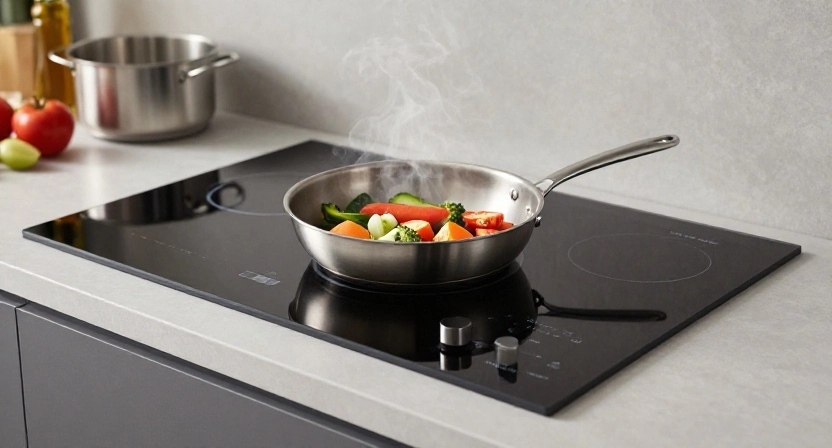
Gas and Dual-Fuel Continue to Hold Their Own Attraction
High-end gas ranges continue to appeal to chefs who favor visible flames and traditional burner control. Dual-fuel appliances integrate gas burners with an electric oven, offering an alternative for homes that favor gas for cooking but desire electric oven capabilities. Present luxury collections demonstrate the diversity that the category has achieved. Wolf, for instance, provides gas, dual-fuel, and induction ranges, with setups that may include options like griddles, charbroilers, or French tops based on the model. Those choices appear remarkable, yet they need to be assessed based on real cooking practices. A built-in griddle can be advantageous in a home that frequently makes pancakes, eggs, burgers, or comparable dishes. A person who utilizes it twice annually might favor having extra traditional cooking areas instead.Steam Ovens Demonstrate the Increasing Specialization of Luxury Kitchens
Conventional ovens continue to be the primary cooking device in many kitchens, yet high-end kitchens more frequently feature specialized or hybrid ovens. Combi-steam ovens serve as an excellent illustration. Instead of operating solely as standard dry-heat ovens, these devices can merge steam with classic oven capabilities. Present Miele combi-steam versions, for example, are made for steaming, baking, and roasting, with particular versions providing extra functions like food probes, automatic programs, connectivity options, and plumbed water connections. The benefit is flexibility, especially for anyone who will truly utilize steam cooking. The downside is equally simple: specialized skills require investment and increase complexity. A house that rarely bakes, roasts, or experiments with different cooking methods might gain little from a premium steam oven. For a passionate home chef, that same device might turn into one of the most commonly utilized tools in the kitchen. This demonstrates a key principle of buying high-end appliances: the most significant attribute isn't always the most technologically advanced. It is the one you use again and again.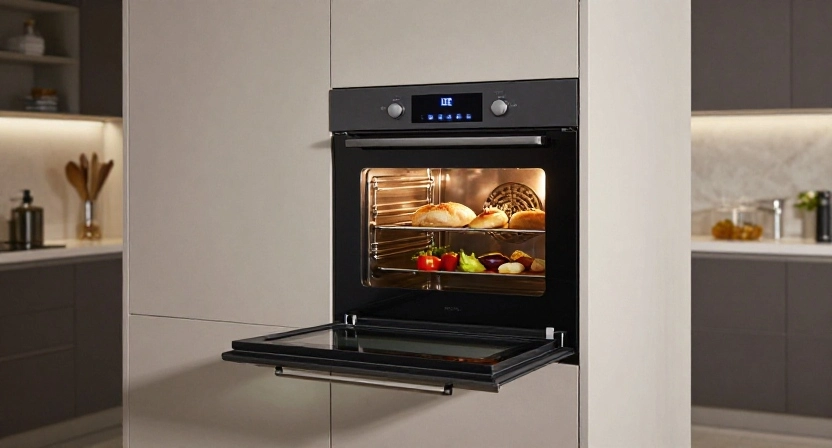
High-End Refrigeration Relies on Both Setup and Temperature Control
Refrigerators offer a distinct purchasing choice. Almost every contemporary refrigerator has the fundamental duty of ensuring safe cold storage. At the premium level, producers are more frequently competing by means of temperature regulation, storage adaptability, design incorporation, illumination, controls, and unique sections. A significant distinction is in the configuration. High-end kitchens might feature distinct refrigerator and freezer units instead of a singular refrigerator-freezer combination. Undercounter refrigerators can position commonly used drinks or components nearer to particular workspaces. Models designed for panel integration can accommodate cabinetry panels, allowing the appliance to match the appearance of the surrounding cabinets. Sub-Zero's existing refrigeration collection showcases this variety of styles, featuring columns, side-by-sides, French doors, undercounter models, and panel-ready choices. These options provide homeowners and designers with greater flexibility, yet they also increase the significance of planning. A refrigerator that seamlessly fits into tailored cabinetry is more than just an appliance placed into an available area. Dimensions, door space, ventilation needs, electrical hookups, plumbing as needed, and cabinet specifications must be aligned prior to installation.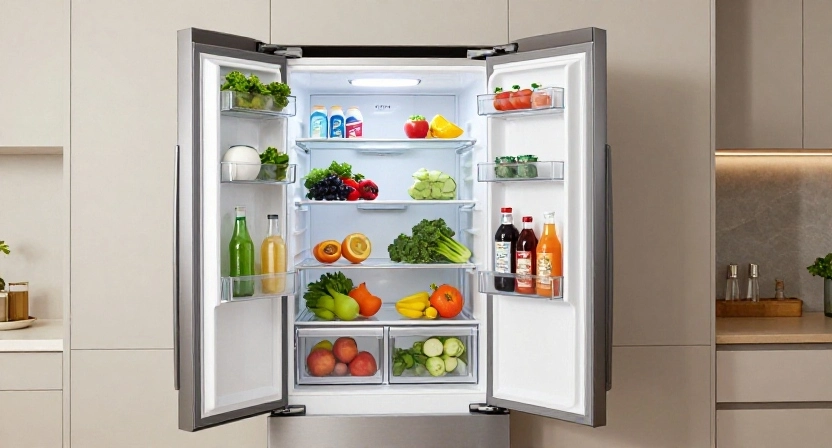
Energy Efficiency Must Not Be Inferred From Cost
A costly appliance isn't necessarily an efficient one. That distinction is especially important for devices that run constantly, like refrigerators and freezers. For refrigerators available in the United States, ENERGY STAR certification offers a helpful independent benchmark for efficiency. According to ENERGY STAR, certified refrigerators use around 9 percent less energy than those that only adhere to the federal minimum energy-efficiency requirements. An ENERGY STAR label should not dictate the whole buying decision. Dimensions, layout, storage requirements, and functionalities remain important. This implies that purchasers ought to verify authenticated efficiency data instead of presuming that a luxury label ensures reduced energy consumption. The same reasoning holds true across the kitchen: performance assertions, energy usage, capacity, and specifications warrant greater consideration than just the price alone.Built-In Design Can Change the Entire Kitchen
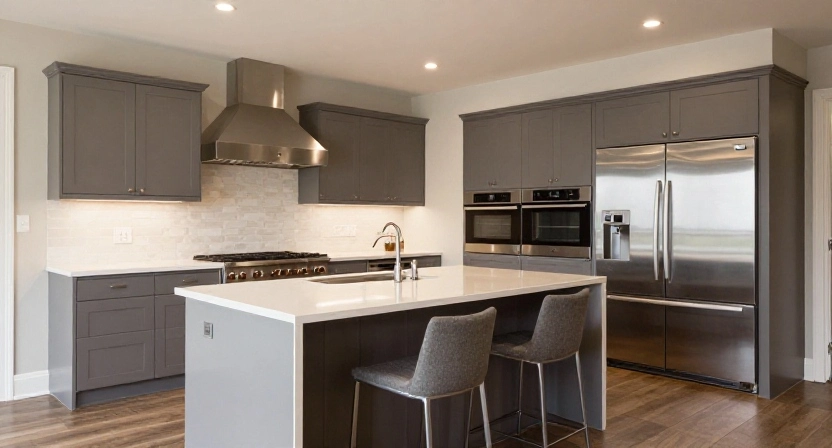
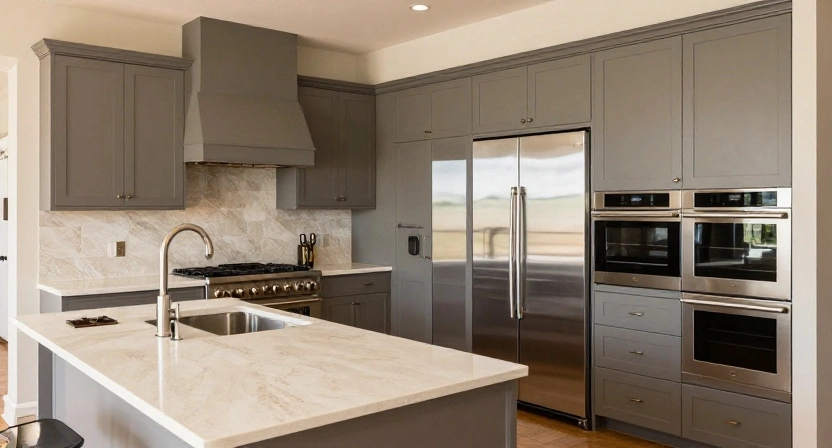
One reason luxury appliances draw interest is that they are often regarded as components of the architecture rather than just objects placed within the area. A traditional standalone refrigerator is simple to identify. A built-in refrigerator with matching cabinet fronts can almost vanish. Wall ovens can be placed at suitable heights. Distinct cooktops enable the oven to be relocated. Refrigerator and freezer units can be arranged either side by side or apart. Undercounter beverage coolers can decrease congestion near the primary refrigerator. These selections can enhance the efficiency of a well-organized kitchen. They also bring in dependencies. Swapping out a freestanding appliance is usually quite simple if a different model suits the existing space. Years later, swapping out a highly integrated appliance may require consideration of cabinetry sizes, panel compatibility, utility placements, and additional installation specifics. Those designing a custom kitchen should consider more than just the appearance of the appliances on the installation day. Access for future services and potential replacements should be taken into account in the design phase.Intelligent Features Are Beneficial Only When They Address a Genuine Issue.
Smart appliances have advanced significantly beyond refrigerators featuring novelty displays. Depending on the brand and type, connected functionalities might encompass remote status updates, alerts, remote upgrades, cooking support, or compatibility with a manufacturer's smart-home system. For instance, present Miele combi-steam ovens showcase features such as push notifications, remote updates, smart-home connectivity, and voice-control functionality across various models. Determining if those features warrant extra expense is very subjective. A message indicating that an oven cycle has completed can be helpful. A connected feature that remains unconfigured has virtually no real-world utility. Smart appliances also bring up factors that conventional mechanical controls do not. Purchasers might consider examining software assistance, application compatibility, network prerequisites, privacy configurations, and if primary appliance features are user-friendly without a connection. For a durable home appliance, basic daily use remains important.Dependability and Support Merit Equal Focus to Features
A kitchen tool may possess outstanding features but can be frustrating if local qualified service is hard to access. This is more significant with specialized tools. Prior to making a purchase, buyers need to research if certified technicians are available in their region, how warranty services are managed, and how replacement components can be acquired. Responses can differ greatly depending on the brand and place. This is particularly crucial for built-in appliances since fixing or replacing them can be more complicated than merely disconnecting a countertop appliance. Manufacturer specification libraries and installation documents may disclose information that showroom displays fail to show. Wolf and Sub-Zero, for instance, uphold product specifications and documentation materials relating to installation and appliance needs. For a significant kitchen remodel, these documents need to be examined prior to finalizing cabinetry and utilities, rather than waiting until the appliances are delivered.The Ideal Appliance Combination Seldom Results From Purchasing All Items From A Single Category
A high-end kitchen doesn't need to have the priciest model of each appliance. Focusing the budget on areas where performance is crucial can be more logical. An enthusiastic chef may focus on selecting a high-quality range or cooktop and oven while opting for a more basic dishwasher. An individual purchasing significant amounts of fresh produce might prioritize refrigeration more highly. A regular baker might prioritize oven efficiency and temperature regulation over a complex refrigerator. This method also aids in distinguishing two distinct concepts: an organized kitchen and a complementary appliance collection. Purchasing all appliances from a single brand can ensure uniform styling and controls, yet there is no mandatory guideline that enforces it. Combining brands can be logical when another producer supplies a product that is more appropriate for a specific job. The compromise involves maintaining aesthetic uniformity. Manage styles, stainless-steel shades, display configurations, and sizes might not match exactly. For certain homeowners, that is extremely significant. For some, performance is what matters most.Think About the Kitchen as a System Before Choosing Individual Appliances
Appliances do not function independently. An effective cooking arrangement might need proper ventilation. A fridge featuring an ice maker or water dispenser might require a water hookup. Certain steam ovens may be connected to plumbing. Induction or electric cooking devices have particular electrical specifications. Spacious ranges and integrated refrigerators can influence cabinet sizes and the planning of installation. Therefore, selecting appliances should occur early in an important kitchen project. Before placing your order, verify:- Exact appliance and cutout dimensions
- Electrical requirements
- Gas requirements where applicable
- Water and drain connections where required
- Ventilation needs
- Door and drawer clearances
- Cabinetry and panel specifications
- Delivery access
- Authorized installation requirements
- Local service availability