
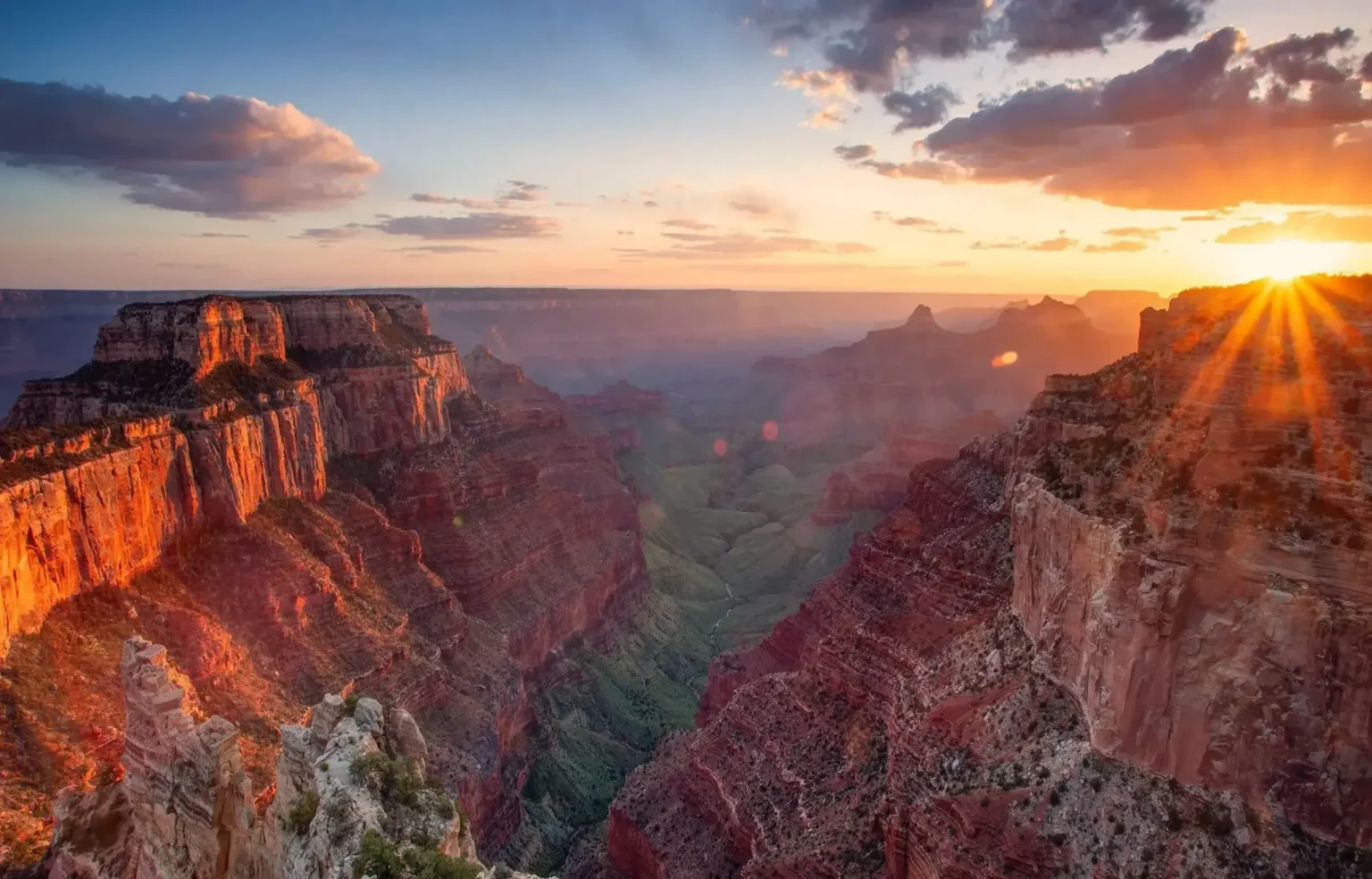
1. Grand Canyon National Park, Arizona
The Grand Canyon is familiar from photographs, but photographs struggle to communicate its scale. Grand Canyon National Park protects 278 miles of the Colorado River and surrounding uplands, with the canyon reaching roughly a mile in depth in places. National Park Service What makes the landscape especially interesting is that it changes constantly with the light. Layers of rock that appear muted around midday can become shades of orange, red, brown, and purple as the sun gets lower. The South Rim provides many of the classic overlooks and is the most straightforward introduction for first-time visitors. Hiking below the rim creates a completely different experience, but travelers should not underestimate the difficulty of climbing back out. For visitors with limited time, the South Rim offers a practical starting point because several major overlooks and visitor facilities are accessible from this area. The free South Rim shuttle buses also connect parking areas with scenic overlooks, trailheads, and village services. Travelers planning to hike below the rim should check current trail conditions, water availability, and weather before setting out.2. Yosemite National Park, California
Yosemite combines several dramatic features within the same landscape: enormous granite walls, forests, meadows, rivers, and waterfalls.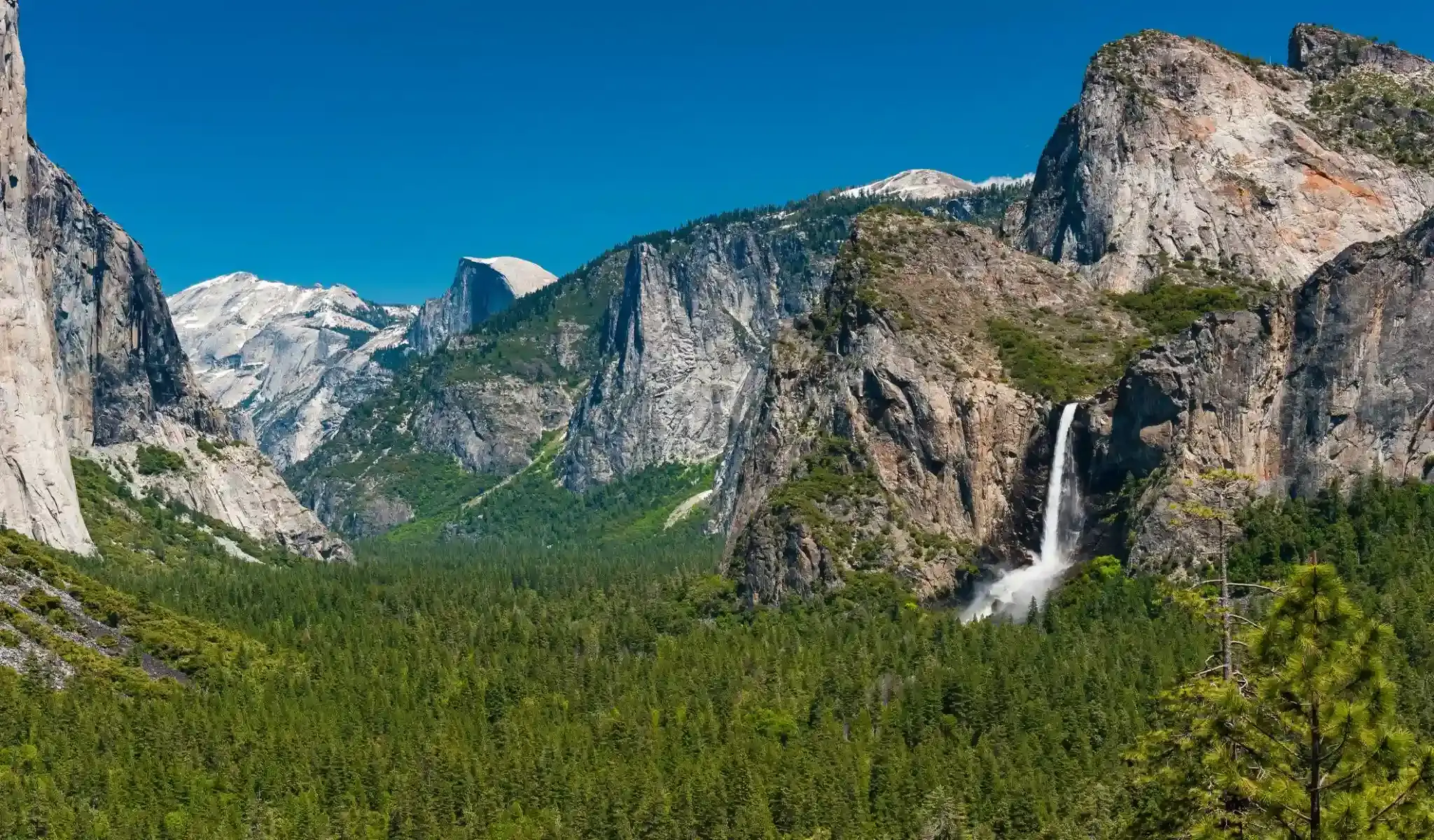 Yosemite Valley receives much of the attention, and understandably so. Granite landmarks rise almost vertically around a relatively narrow valley floor, producing views that feel unusually concentrated.
Waterfall viewing in Yosemite depends heavily on the season. The National Park Service says peak runoff typically occurs in May or June, while some waterfalls may shrink to a trickle or dry up by August. Yosemite Falls is made up of three sections with a combined height of 2,425 feet. Visitors who want to see the falls at their strongest should consider spring, while checking trail conditions and access before departure.
Visitors do not need to attempt Yosemite's most difficult hikes to appreciate the park. Valley walks and accessible viewpoints provide remarkable scenery, while more demanding trails offer higher perspectives for travelers prepared for them.
3. Yellowstone National Park, Wyoming, Montana, and Idaho
Yellowstone feels different from almost anywhere else on this list because much of its beauty comes from an active geothermal landscape. Hot springs can display brilliant blues and oranges. Steam drifts across the ground. Mud pots bubble, and geysers periodically send hot water into the air. The result sometimes looks less like a conventional mountain vacation and more like another planet. Old Faithful is one of nearly 500 geysers in Yellowstone and one of six whose eruptions park rangers currently predict. Visitors can check the latest predicted eruption time at the Old Faithful Visitor Education Center, nearby lodges, or the official NPS app. This makes it easier to plan a visit around an eruption without assuming that the geyser follows an exact hourly schedule. Yet Yellowstone is much larger than its geyser basins. Forests, rivers, waterfalls, mountains, and broad valleys create habitat for wildlife including bison, elk, and bears. That combination matters. You can spend the morning exploring colorful thermal features and later find yourself looking across an enormous valley that feels almost untouched.4. Glacier National Park, Montana
If your idea of beautiful America involves high mountains and intensely colored lakes, Glacier National Park belongs near the top of the list. The landscape has been shaped by ice over immense periods of time, leaving steep peaks, valleys, lakes, and dramatic ridgelines. Roads and trails allow visitors to experience those features at very different levels of effort. Going-to-the-Sun Road is particularly famous because it crosses the park through mountainous terrain and provides access to spectacular viewpoints. Seasonal conditions matter greatly here, however, and snow can affect access to higher areas. Glacier rewards travelers who stay longer than a quick scenic drive. Early mornings can bring calmer lakes and quieter trails, while changing weather can transform the appearance of the mountains within minutes. It is a reminder that spectacular scenery does not always need elaborate attractions. Sometimes mountains, water, weather, and silence are enough.5. Acadia National Park, Maine
Acadia demonstrates how dramatically mountains and the ocean can complement each other.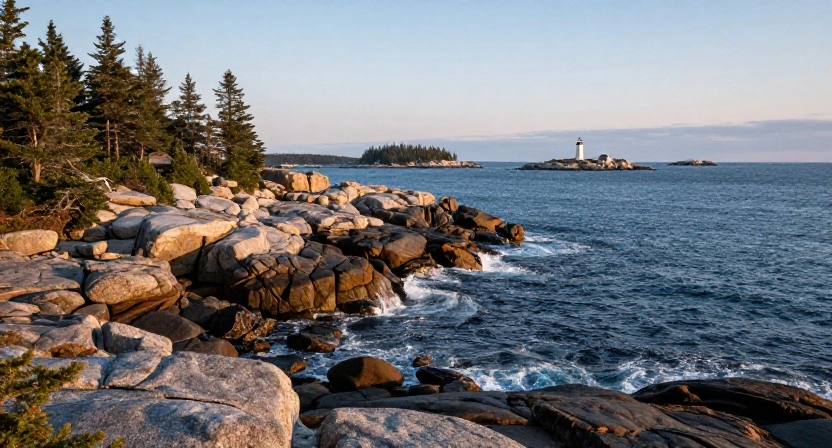 Located along Maine's Atlantic coast, the park combines granite peaks, forests, islands, ponds, and rocky shoreline. The National Park Service says Acadia includes 158 miles of hiking trails and 45 miles of historic carriage roads. National Park Service
Cadillac Mountain is one of Acadia's signature destinations, offering sweeping views of the surrounding coastal landscape. In 2026, vehicle reservations are required to drive Cadillac Summit Road from May 20 through October 25. The reservation is separate from the park entrance pass, and visitors should check the official National Park Service website for current booking rules before their trip.
Acadia is particularly appealing because the experience can extend beyond wilderness. Nearby coastal communities, harbors, and Maine's maritime character make it easy to combine hiking and sightseeing with a broader New England road trip.
6. Zion National Park, Utah
Zion turns the traditional mountain experience upside down. Instead of always looking outward from a summit, visitors frequently travel along the bottom of a canyon while enormous sandstone walls rise around them. The contrast is striking. Red and cream-colored cliffs tower above patches of green vegetation, and the Virgin River adds another visual layer to the canyon. Some famous Zion experiences require considerable physical effort and careful planning, but strenuous hiking is not necessary to understand why the park is special. Scenic areas along Zion Canyon can be impressive even when viewed from relatively accessible locations. Zion is one of several U.S. destinations where unusual rock formations and dramatic landscapes make the scenery feel almost otherworldly.7. Great Smoky Mountains National Park, Tennessee and North Carolina
Not every beautiful American landscape needs jagged peaks or enormous cliffs. The Great Smoky Mountains have a softer character. Forest-covered ridges appear to fade into progressively lighter shades of blue, particularly when atmospheric haze settles between the mountains. The park is especially rewarding for travelers who appreciate forests. Streams, waterfalls, mountain roads, overlooks, and hiking trails create numerous ways to experience the landscape without relying on one signature attraction. Autumn brings another dimension as deciduous forests change color. Spring has its own appeal, with fresh vegetation and wildflowers appearing across different elevations. Because the park sits within driving distance of large parts of the eastern United States, it can also be more practical for a road trip than many western national parks.8. Olympic National Park, Washington
Olympic National Park feels like several destinations compressed into one part of Washington State. Travelers can encounter rugged Pacific coastline, temperate rain forest, mountain scenery, rivers, and lakes within the broader Olympic Peninsula. That variety makes Olympic particularly interesting for a multi-day trip. One day might involve walking beneath moss-covered trees in a damp forest. Another could be spent watching waves crash against sea stacks along the coast. A mountain viewpoint can feel like an entirely separate vacation. The weather is part of the experience rather than merely an inconvenience. Clouds, fog, and rain contribute to the atmosphere and support the extraordinarily lush vegetation found in the wetter parts of the peninsula. For travelers who associate beautiful weather only with clear blue skies, Olympic can change the definition.9. Lake Tahoe, California and Nevada
Lake Tahoe demonstrates the power of a simple combination: clear water surrounded by mountains. Sitting along the California-Nevada border in the Sierra Nevada, the lake attracts visitors throughout the year. Summer favors beaches, hiking, paddling, and scenic drives, while winter transforms surrounding elevations into a major snow-sports destination. One advantage of Tahoe is that its beauty can be experienced at different speeds. An active traveler can spend days hiking and exploring the shoreline, while someone seeking a more relaxed trip can enjoy overlooks, lakeside communities, and quieter stretches of water. The contrast between blue water, evergreen forest, exposed rock, and snow-covered peaks is what gives Tahoe its distinctive visual identity.10. Big Sur, California
Few American road trips make the relationship between road and landscape as dramatic as Big Sur.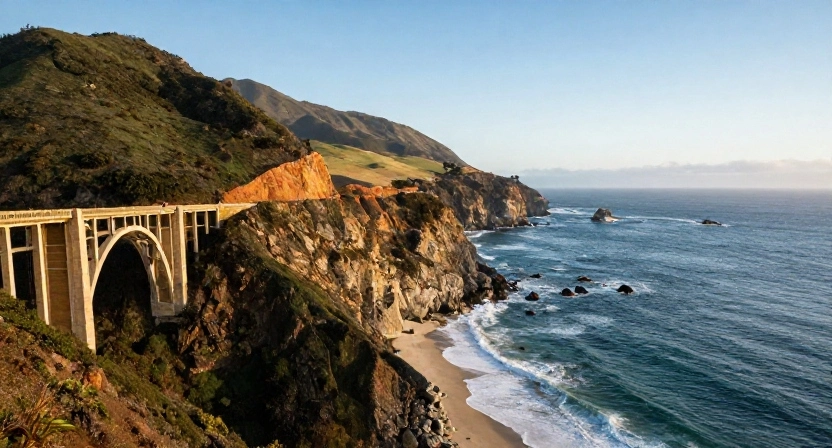 Along this section of California's central coast, steep mountains meet the Pacific Ocean while Highway 1 traces portions of the rugged coastline. Bridges, cliffs, beaches, forests, and ocean views appear repeatedly along the route.
Big Sur works best when treated as a destination rather than simply a road to finish. Stopping at overlooks, exploring state parks, and spending time near the coastline creates a much richer experience than trying to cover as many miles as possible.
Road conditions can also change because of landslides, storms, construction, and closures. Checking official highway information before a trip is important.
When conditions cooperate, however, Big Sur provides one of America's great combinations of driving and scenery.
11. Sedona, Arizona
Sedona proves that a desert landscape can feel colorful and surprisingly inviting. Massive red-rock formations surround the Arizona community, creating an unusual contrast with green vegetation and intensely blue skies. Trails weave through and around formations that change color depending on the angle and intensity of sunlight. Sedona also offers flexibility. Serious hikers can spend days exploring the surrounding terrain, while scenic drives and accessible viewpoints make the landscape available to visitors who prefer a less strenuous trip. Sunrise and the hours approaching sunset are particularly rewarding visually because lower-angle light emphasizes the texture of the rocks. Sedona's popularity does mean that traffic, parking, and crowded trailheads can affect the experience. Visiting outside the busiest periods can make the landscape considerably easier to enjoy.12. Rocky Mountain National Park, Colorado
Rocky Mountain National Park delivers the kind of high-elevation scenery many travelers imagine when thinking about Colorado. Mountain peaks rise above forests and alpine environments, while lakes and valleys break up the rugged terrain. Elevation is an important part of the experience, both visually and practically. Visitors arriving from lower elevations should remember that high altitude can affect people differently. Taking time to adjust, staying aware of changing weather, and choosing activities appropriate to your condition can make a mountain trip far more enjoyable. The park is also a place where the journey matters. Scenic roads allow visitors to watch the environment change as elevation increases, moving from forests toward more exposed alpine terrain. That transition makes the park feel dynamic rather than centered on a single landmark.13. Savannah, Georgia
Natural landscapes do not have a monopoly on American beauty. Savannah offers a completely different kind of visual appeal through historic architecture, tree-lined streets, public squares, and enormous live oaks draped with Spanish moss. The city is best experienced on foot when weather permits. Walking allows small architectural details, gardens, squares, and changing streetscapes to become part of the trip instead of background scenery viewed through a windshield. Savannah also adds something important to this list: human history. The city's beauty exists alongside a complicated past, including histories connected to slavery, the Civil War era, and generations of cultural change. Understanding some of that history makes a visit more meaningful. Beautiful places can be visually enjoyable while still deserving thoughtful engagement with the people and events that shaped them.14. Nā Pali Coast, Kauai, Hawaii
The Nā Pali Coast represents an entirely different side of the American landscape.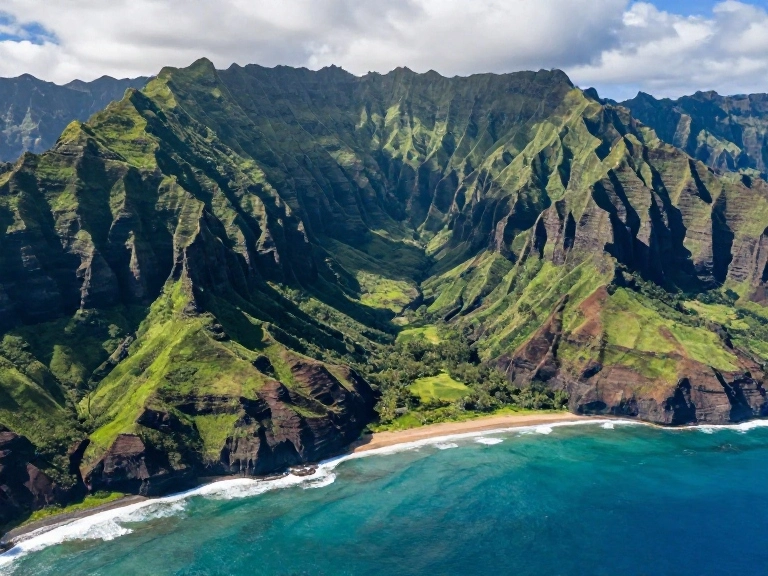 Steep green ridges descend toward the Pacific, interrupted by deep valleys, cliffs, waterfalls, and narrow beaches. From the right perspective, the coastline can seem almost impossibly sculpted.
Part of its appeal comes from its relative inaccessibility. Unlike a scenic highway where nearly every viewpoint can be reached by car, experiencing the Nā Pali Coast may involve hiking, viewing it from the water, or seeing it from the air, depending on conditions and individual plans.
That limited access helps preserve the feeling that the landscape is larger than the infrastructure around it.
Kauai also deserves more than a checklist approach. Weather, ocean conditions, trail access, and local guidance should all influence how visitors plan their time.