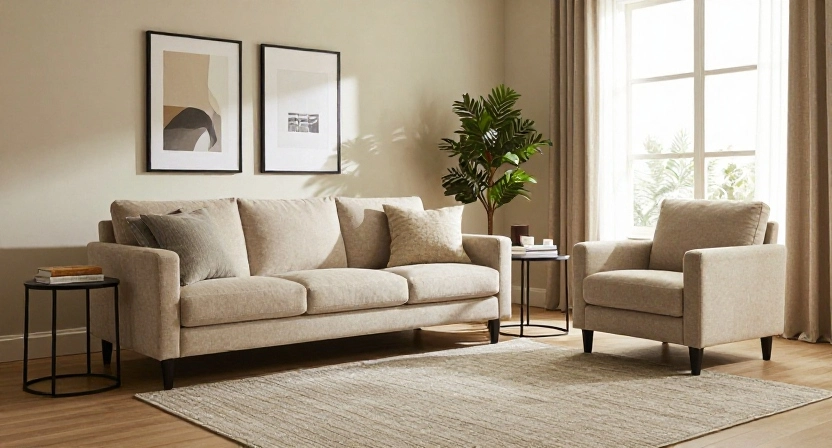
Start With the Problems You Actually Feel
Home improvement advice often starts with what to add. A better approach is to identify what regularly annoys you. Think about an ordinary evening at home. Where does discomfort appear? Perhaps the living room is too dark for reading but painfully bright when the overhead fixture is on. Maybe there is nowhere convenient to put a drink beside your favorite chair. Shoes collect near the entrance because the designated storage is somewhere else. Your bedroom looks attractive, but streetlights shine through the windows at night. These small inconveniences matter because they repeat. Walk through your home and notice moments when you have to adjust, search, move, avoid, or tolerate something. Pay particular attention to temperature, glare, noise, awkward furniture placement, insufficient storage, unpleasant seating, and clutter around frequently used areas. This changes the goal from the vague idea of "making the house cozier" to solving specific problems.Get the Temperature and Air Right First
Decorating cannot compensate for a room that is physically uncomfortable. Indoor temperature preferences vary considerably, so there is no universal thermostat setting that will make everyone comfortable. Humidity, airflow, direct sunlight, clothing, activity level, and even where someone sits within a room can influence how warm or cool the space feels. Before assuming the heating or air-conditioning system needs a major change, look for smaller issues. A sunny west-facing room, for example, may become noticeably warmer late in the afternoon. Curtains, shades, or blinds can help manage direct sunlight. A ceiling fan can improve air movement, although a fan cools people rather than actually lowering the room's air temperature. In colder weather, drafts around windows and exterior doors can make particular areas uncomfortable even when the thermostat suggests the house is warm enough. Appropriate weatherstripping or sealing may help where air leakage is the problem. Indoor air quality also affects how pleasant a room feels. Cooking odors, stale air, excessive moisture, dust, and poor ventilation can make an otherwise attractive home less inviting. Use kitchen and bathroom exhaust ventilation appropriately, address moisture problems rather than hiding them with fragrance, and follow the maintenance recommendations for your HVAC equipment and filters. Comfort starts with the environment your body notices before your eyes notice the decor.Use Lighting in Layers Instead of Relying on One Fixture
Few things change the character of a room as quickly as lighting. Many homes rely heavily on a central ceiling fixture. That can provide general illumination, but one bright source is rarely ideal for every activity. Watching television, chopping vegetables, reading a book, entertaining friends, and cleaning a room all require different kinds of light. A more flexible room uses layers.Begin With Three Types of Light
Ambient lighting provides general illumination. Task lighting concentrates light where an activity takes place, such as a reading lamp beside a chair or lighting over a kitchen work area. Accent lighting adds visual interest or highlights architectural features, artwork, shelving, or other elements. You do not need all three everywhere. The important idea is to give yourself options. In a living room, for example, an overhead fixture might be useful during cleaning. A floor lamp beside the sofa can work better during a quiet evening. A smaller lamp elsewhere can keep the room from feeling like one bright area surrounded by darkness. Also pay attention to glare. A lamp that reflects directly off a television or shines into your eyes from a seated position can be uncomfortable regardless of how stylish it looks. Before buying another fixture, spend an evening noticing where light is missing and where there is too much of it.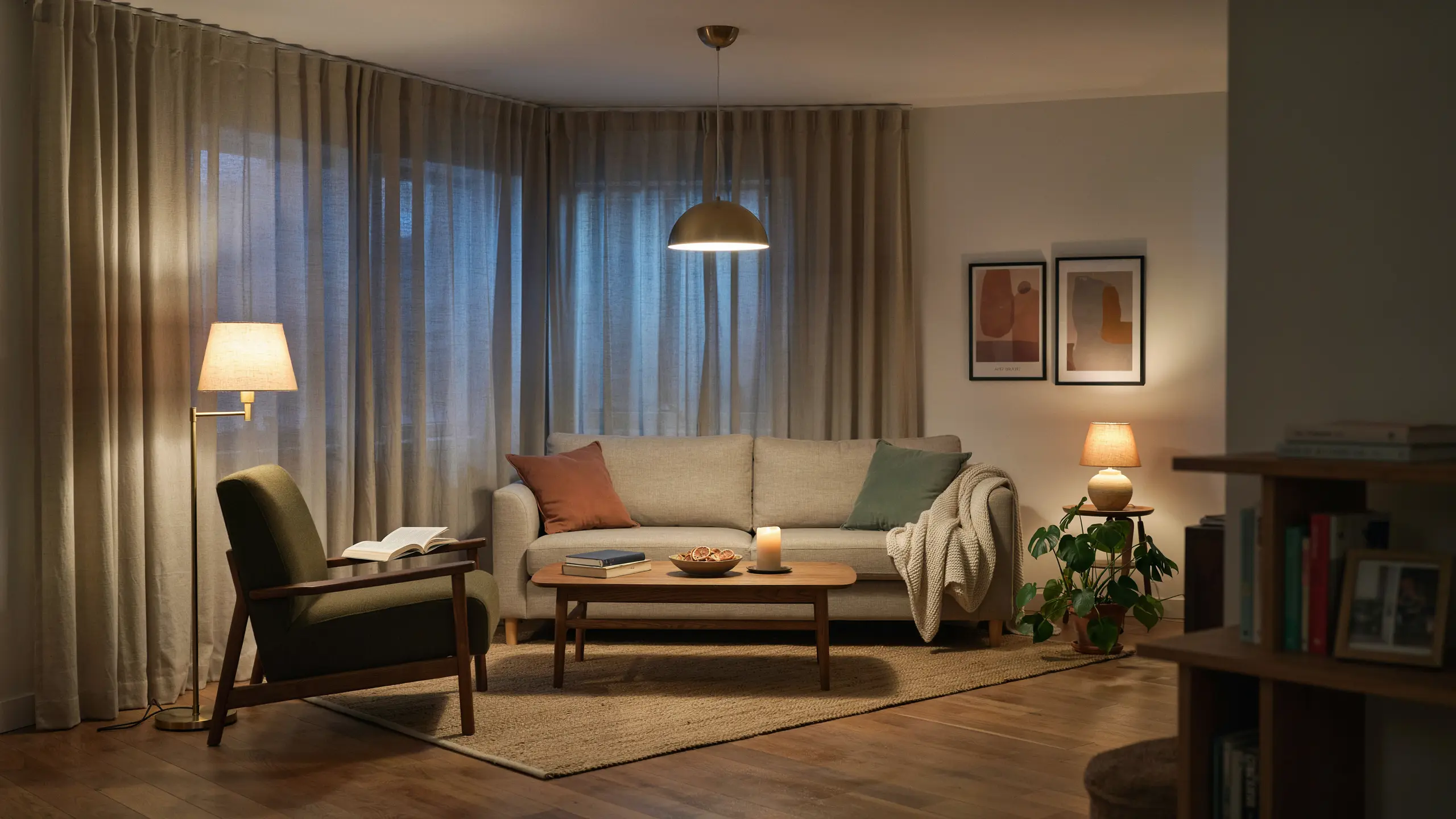
Arrange Furniture Around Real Life
Furniture layouts sometimes survive simply because that is where everything was placed when someone moved in. Ask what each room actually needs to accomplish. A living room might need to support conversation, television viewing, reading, children's play, or several activities at once. A dining area may double as a homework station or temporary home office. Bedrooms need clear access to closets and storage in addition to space for the bed. Good layouts make common movements feel natural. Avoid squeezing major walking routes between furniture when another arrangement is possible. Make sure doors, drawers, and cabinets can open comfortably. Consider whether a side table, lamp, or charging location is available where someone naturally sits. Conversation areas also benefit when seating does not make people feel unusually distant from one another. The point is not to follow a rigid interior-design formula. It is to arrange the room according to behavior rather than appearance alone. Try moving existing furniture before replacing it. Shifting a sofa, removing an unnecessary chair, or relocating a table can sometimes improve a room more than purchasing another decorative object.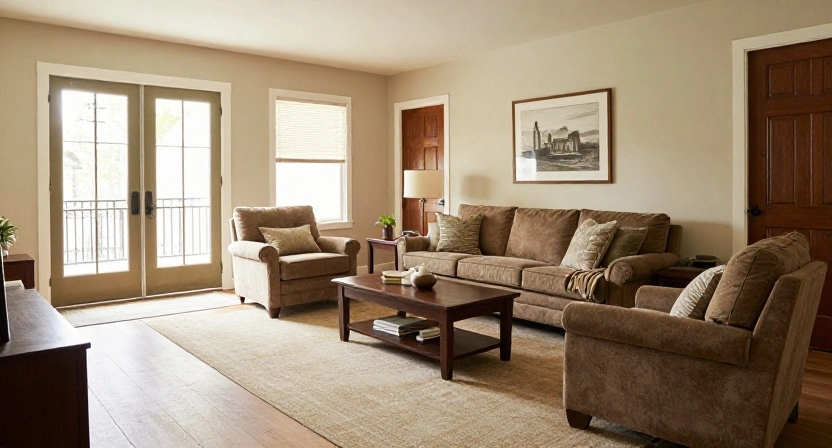
Reduce Visual Clutter Without Making the Home Sterile
Clutter is partly a storage problem, but it is also a systems problem. Objects tend to accumulate where they are used, dropped, opened, charged, or removed. Mail lands near the entrance. Chargers gather beside seating. Shoes appear near the door. Kitchen counters collect items used every morning. Instead of constantly moving these things somewhere inconvenient, create storage where the behavior already happens. A tray or designated location near the entrance can contain keys and other everyday items. Frequently worn shoes may need accessible storage close to the door rather than space in a distant closet. Charging cables can be organized near the places where devices are actually used.Give the Eyes Somewhere to Rest
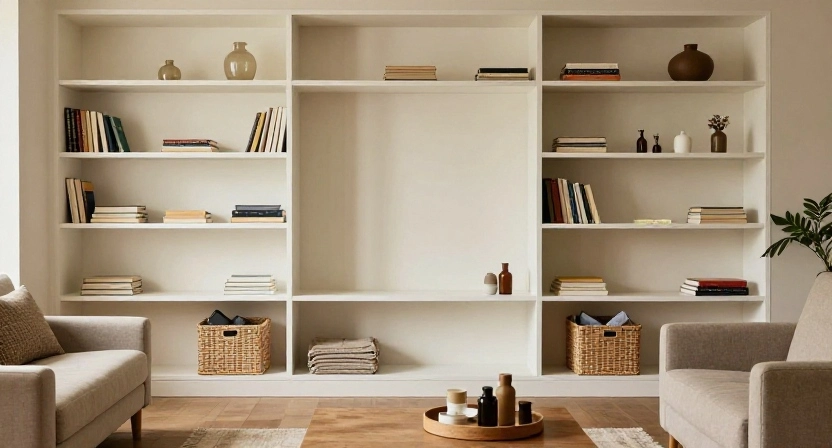
Not every visible surface needs decoration. A room filled with artwork, books, baskets, plants, pillows, photographs, candles, and decorative objects may contain individually attractive pieces while still feeling visually exhausting. Leaving some surfaces relatively clear creates contrast. It also allows meaningful objects to stand out. This does not mean adopting extreme minimalism. A comfortable home should still show personality. The goal is to distinguish between possessions that contribute something and objects that remain visible mainly because nobody has decided where else they belong.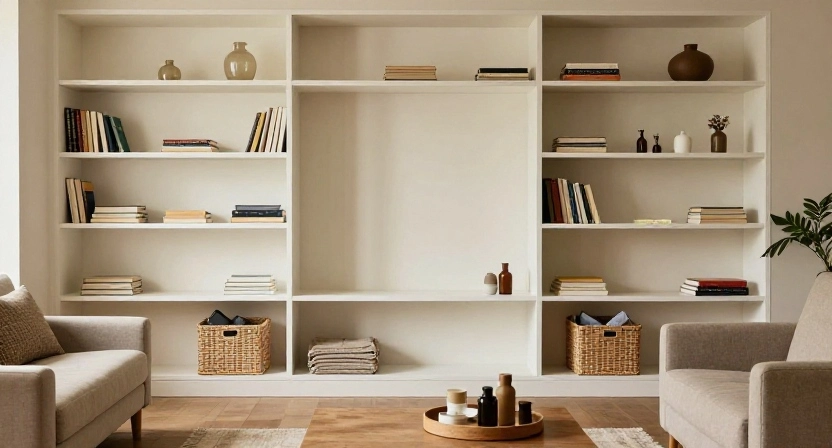
Choose Comfort Before Appearance When It Matters
A beautiful chair that nobody wants to sit in is essentially sculpture. Furniture used for long periods should work for the people who actually use it. Seat depth, back support, firmness, height, and fabric feel can all influence comfort, and individual preferences vary. This is particularly important with sofas, desk chairs, dining chairs, mattresses, and other heavily used pieces. Online photos cannot tell you exactly how a seat will feel. When possible, examine dimensions carefully and try important furniture in person before buying. For online purchases, review measurements, materials, assembly requirements, delivery conditions, and return policies. Scale matters too. Oversized furniture can make a small room difficult to navigate, while furniture that is too small for a large room can leave the space feeling disconnected. Measure the room and the path through doorways, hallways, elevators, or stairs before purchasing large pieces. Comfort includes living with furniture, not merely admiring it.Add Softness Through Texture
Rooms dominated by hard materials can sometimes feel less inviting, particularly when they contain large expanses of flooring, glass, stone, metal, or bare walls. Textiles provide an easy counterbalance. Rugs, curtains, upholstered furniture, blankets, pillows, and bedding introduce softer surfaces and visual variation. They can also affect acoustics by reducing some of the reflections created by hard surfaces. The trick is not to cover everything with fabric. Think in terms of contrast. A wood table feels different beside upholstered seating. Crisp cotton bedding becomes more interesting with a textured blanket. A simple sofa can feel more inviting with one or two well-chosen pillows rather than a pile that has to be removed every time someone sits down. Natural-looking materials and varied textures can add warmth without requiring a particular decorating style.Pay Attention to Sound
Sound is an overlooked part of home comfort. Hard, sparsely furnished rooms may produce more noticeable echoes and sound reflections. Rugs, upholstered furniture, curtains, and other soft materials can help absorb some sound, although they are not substitutes for proper soundproofing when serious noise isolation is needed. Outside noise requires a different approach. Closing gaps around windows and doors may help when air leakage is also allowing sound through, but persistent traffic, construction, or neighbor noise can be difficult to eliminate completely. Sometimes the practical goal is not silence but reducing distraction. A fan or another steady background sound may make intermittent noises less noticeable for some people. Inside the home, consider the placement of televisions, speakers, appliances, work areas, and quiet spaces. A home office positioned against a wall shared with a television area, for example, may create unnecessary conflict. Comfort is partly about controlling what you hear, not just what you see.Make the Bedroom Support Sleep
The bedroom deserves special treatment because its primary job is unusually specific. Start with light. If outdoor lighting enters the room at night, appropriate window coverings can reduce it. If early sunlight helps you wake naturally, however, completely blocking the windows may not fit your routine. Then examine unnecessary sources of light inside the room. Bright displays, indicator lights, and screens can become surprisingly noticeable after the room goes dark. Temperature, bedding, and noise also matter. Bedding should suit both the season and the sleeper rather than being selected entirely for appearance. Organization helps in a different way. A chair buried under clothing or a crowded nightstand may not physically prevent sleep, but simplifying the immediate area can make the bedroom easier to use and maintain. Try to protect the room's primary purpose. When possible, avoid allowing the bedroom to become the default storage room, office, laundry station, and entertainment center simultaneously.